A year in a Rif household
Foundation, episode 2: how a Moroccan family year actually flows.
The annual orbit. Each summer Dutch-Moroccan families drive south through France and Spain, ferry the Strait of Gibraltar from Algeciras or Tarifa, and arrive in Rif villages around Al Hoceima for the homecoming month. The wedding cluster, when it falls, falls in August because the diaspora is back.
Opening — a different year

Two households, one in the Netherlands and one in a Rif village, do not measure the year by the same anchors.
A Dutch household measures it by Sinterklaas, by kerst, by oud en nieuw, by the long stretch to vakantie, and by the days the agenda finally clears in July. A Rif household measures it by Ramadan, by the two Eids, by the August homecoming when the European-resident cousins drive south, and by the weddings and births and deaths that fall across all of those.
Most of what is consequential in a Moroccan family does not happen inside a week. It happens across a year. Which is why the right unit for understanding it is also a year.
This episode is one. It walks through the months in order. It picks up the calendar events as they fall. It picks up the life-cycle moments as they happen. It picks up the female sphere of the household as it surfaces, and the small etiquette beats as they come up.
One note before the walk begins. The Islamic calendar is lunar. Ramadan and the two Eids drift through the Western year by about eleven days each cycle. In some years Ramadan falls in late winter, in others in summer. This episode picks one representative year and walks it. The exact season for each event matters less than the rhythm.
Winter — the off-season
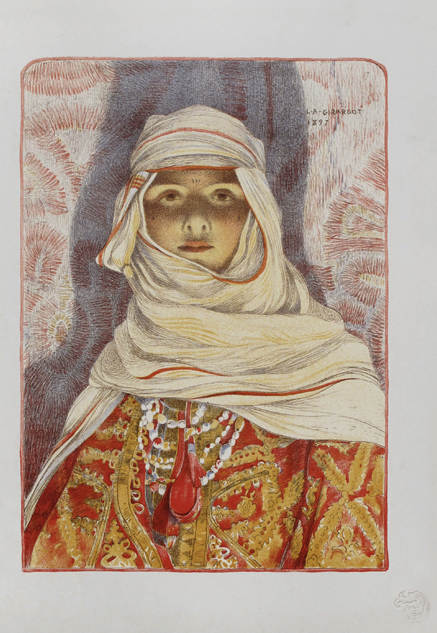
Winter in a Rif village is the quiet half of the year. The cousins from Rotterdam and Amsterdam are not there. The shutters of half the houses are closed. The school year is on. The shops keep their normal hours. Daily life is the texture of any small town in any temperate country, except for the things underneath.
The first of those things is the hammam.
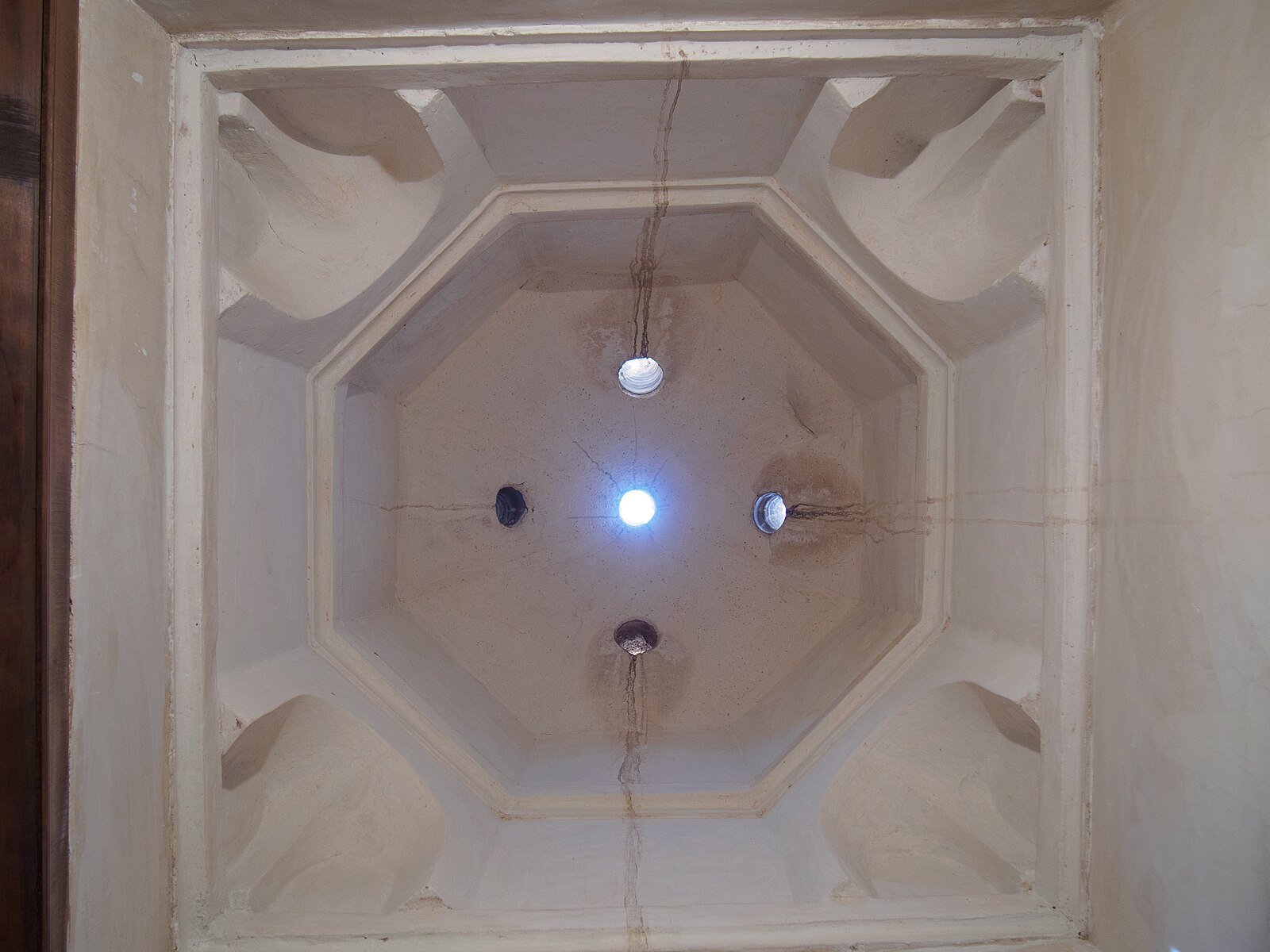
A hammam is a public bathhouse. There is one in every Moroccan town and several in every Moroccan city. It is steam, hot stone, black soap, the kessa glove, an hour on a marble bench, longer if there is gossip to do. For the women of a household it is a weekly ritual. Mothers, daughters, aunts, neighbours. The hammam is where female relationships are maintained. It is where a future bride is prepared the week of her wedding. It is where new mothers come back into the world after forty days at home. It is, more than the kitchen, the women’s space of the village.
The Finnish sauna is the closest thing in northern Europe, and it is not very close. The Finnish sauna is mixed-gender and minimalist. The hammam is single-gender, unhurried, and social. It is the part of a Moroccan woman’s life most invisible to outsiders.
The second is the Friday meal.
Friday is the day of the midday congregational prayer. By tradition the meal that follows is couscous. In a religious household the wife of the house, often with her daughters, begins the work in the morning. Couscous from scratch is hours of work. Hand-rolling semolina between the palms. Steaming over broth three times. Building the vegetable stew underneath. Younger urban families now buy ready-rolled couscous and steam it once. Village families often still do it the slow way. Either way the table at one o’clock on a Friday is a couscous, and the family gathers around it from whatever it was doing.
The Sunday roast in the Netherlands has faded to a Christmas-and-Easter ritual. The Friday couscous in the Rif is alive every week of the year.
The third is a birth.
Births in a Rif village happen all year round. The one in this household happens in February.
A son is born. On the seventh day after his birth the family holds the sebou, the naming ceremony. A sheep is slaughtered in the courtyard. The name is announced in the father’s voice. Henna is applied to the baby’s hands and forehead. Female relatives arrive in their best kaftans bringing gifts and sweets and money for the mother. The mother herself is not yet at the centre of the visit. She is recovering on a daybed, eating rfissa: torn pancakes soaked in chicken broth heavy with fenugreek and lentils, the traditional dish of the postpartum Moroccan woman. She will eat it most days for the first forty.
For the forty days after a birth a Moroccan mother rests inside. Female relatives cook for her, wash for her, hold the baby for her. Visitors come bringing food, not asking the mother to host. A Dutch kraamvisite compresses into a single afternoon what the Moroccan version stretches across forty days.
Spring — Ramadan
The Islamic year’s centre of gravity is Ramadan. Thirty days of fasting from before dawn until sunset. No food, no water, no cigarette, no kiss, no argument if it can be avoided. The discipline is universal across the Muslim world. The texture is local.
In the Rif, the texture begins about a week before the first day. Households shop. Pantries fill with dates, with semolina, with chickpeas and lentils, with the spice mixes for harira and chebakia. The bakeries in the cities double their flour orders. The vegetable markets shift their hours later in the day. There is a quality of preparation you can feel in the streets, the way Dutch streets feel in the days before Sinterklaas, only longer and quieter.
A day in Ramadan in a Rif household goes like this.
It begins around four in the morning. The mother of the house, often the eldest woman, gets up first. She heats suhoor, the meal taken before the dawn prayer. It is something light. Bread with cheese and olives, leftover tagine, a glass of milk. The family eats half-asleep in the kitchen. The dawn call to prayer drifts over the village. Plates are cleared. Some go back to sleep for a few hours. The fast has begun.
The middle of the day is the hardest part for outsiders to picture. Nothing happens. The streets thin. The bakeries close at midday and reopen at four. Conversations get shorter. Arguments do not happen. Tempers are held. Work, where it has not been formally shortened, slows on its own. By late afternoon the village is moving again, but in a particular way. Every errand is timed against the call to maghrib, the sunset prayer. Bread is bought. Vegetables for the iftar soup are brought home. The smell of cumin and coriander begins to come out of every kitchen at once.
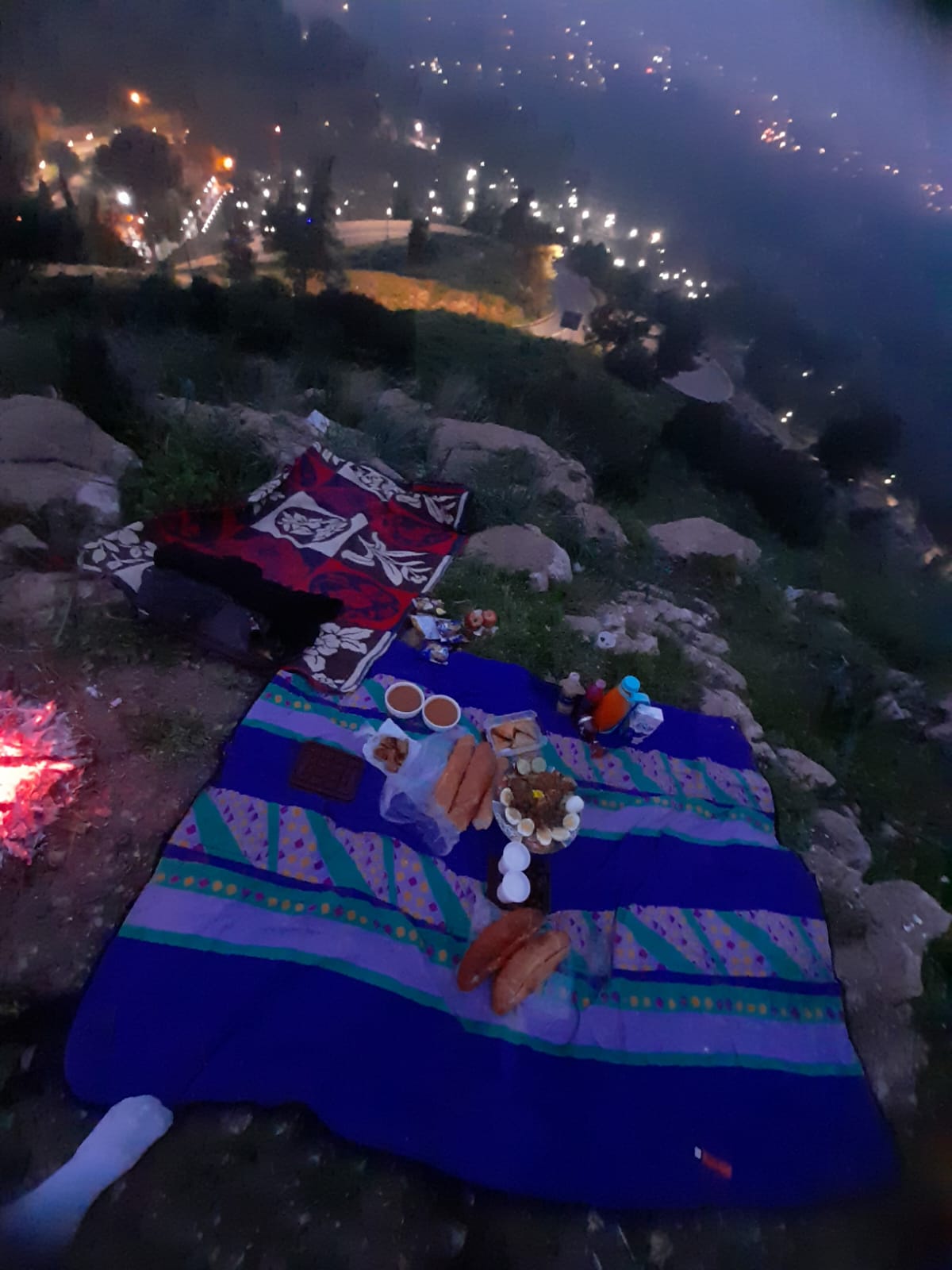
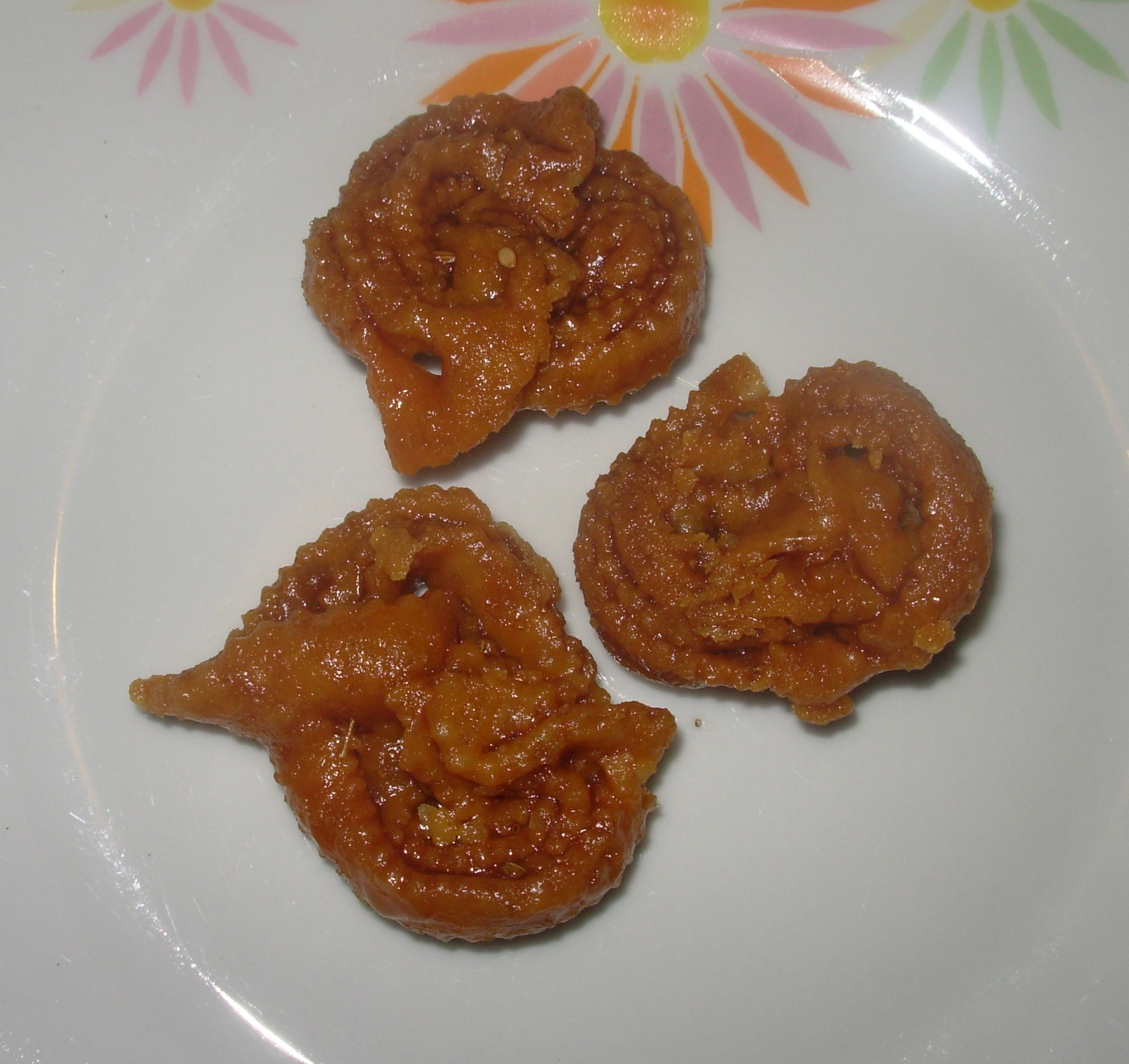
Iftar, the breaking of the fast, is the day’s hinge. It is taken at the moment of sunset, traditionally with a sip of water and a single date, in imitation of the Prophet. Then a bowl of harira, the lentil-and-tomato soup with chickpeas and a thread of lemon and coriander. Then chebakia, the rose-shaped sesame-and-honey pastries that exist in Moroccan kitchens essentially only during this month. Half an hour later, when the body has woken back up, the proper meal. Tagine, couscous on Fridays, fish on the coast.
The evening that follows is the day’s social peak. The streets fill. The cafés are full until two in the morning. Visiting between households is heavier in Ramadan than in any other month. Some men go to the mosque for the long taraweeh prayers, twenty extra cycles after the night prayer, only performed in this month. Children are awake far past their normal bedtime. The household sleeps for a few hours and gets up again for suhoor.
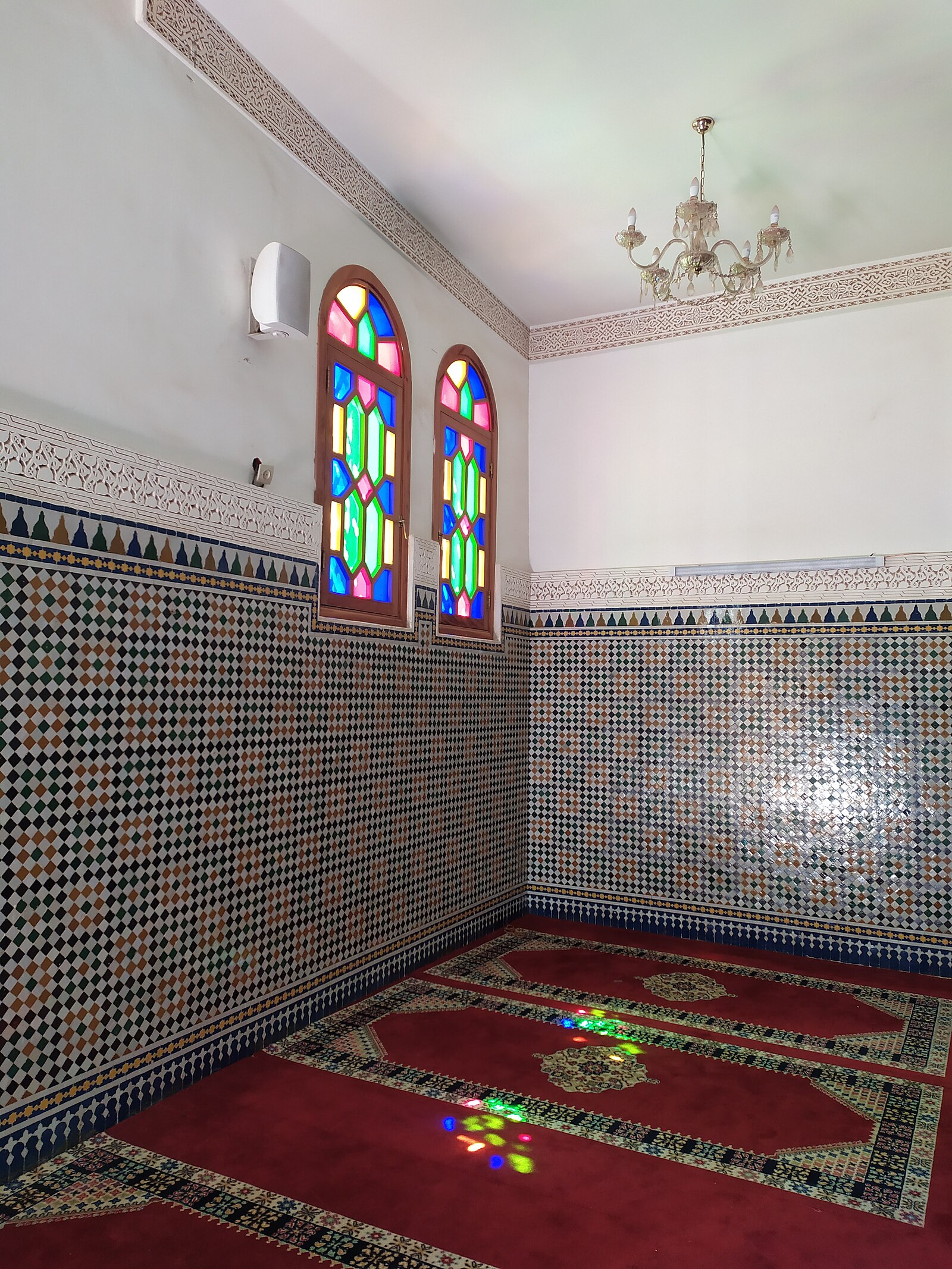
Ramadan is also where the religious gradient inside a household becomes most visible. In a religious Rif village family, everyone of age fasts. The exemptions are explicit: travellers, the sick, pregnant or nursing women, women on their period, the very old, the very young. A daughter who is secular and lives in Europe and does not fast finds herself, when she visits in this month, in a delicate position. She can eat in private but not in front of fasting relatives. She can drink water but not coffee in the courtyard at noon. The household accommodates her without a discussion. A foreign partner of hers, also not fasting, will be expected to do the same. The accommodation is a kindness. Pretending not to notice it is the wrong response. Acknowledging it once, briefly, and then matching the household’s rhythm is the right one.
The 27th night of Ramadan is Laylat al-Qadr, the Night of Power, the night the Quran was first revealed to the Prophet. In the Rif as elsewhere it is the most spiritually weighted night of the year. Many women spend it at the village mosque, praying through the night. Many households cook a larger iftar that evening. A child first old enough to fast often marks his or her first complete day on this night.
Eid al-Fitr comes at the end of the month, on the day the new moon is sighted. It is the gentle Eid. The morning begins with the Eid prayer at the mosque, in clothes bought new for this day. Children wear new clothes from the skin out: shoes, socks, everything. They go to the elders of the family and kiss the back of each elder’s hand and place it to their own forehead. The elder gives the child eidiyya, a small cash gift, often new banknotes in a clean envelope. The day is then a long round of visits between houses. Sweets and tea everywhere. The fast is over.
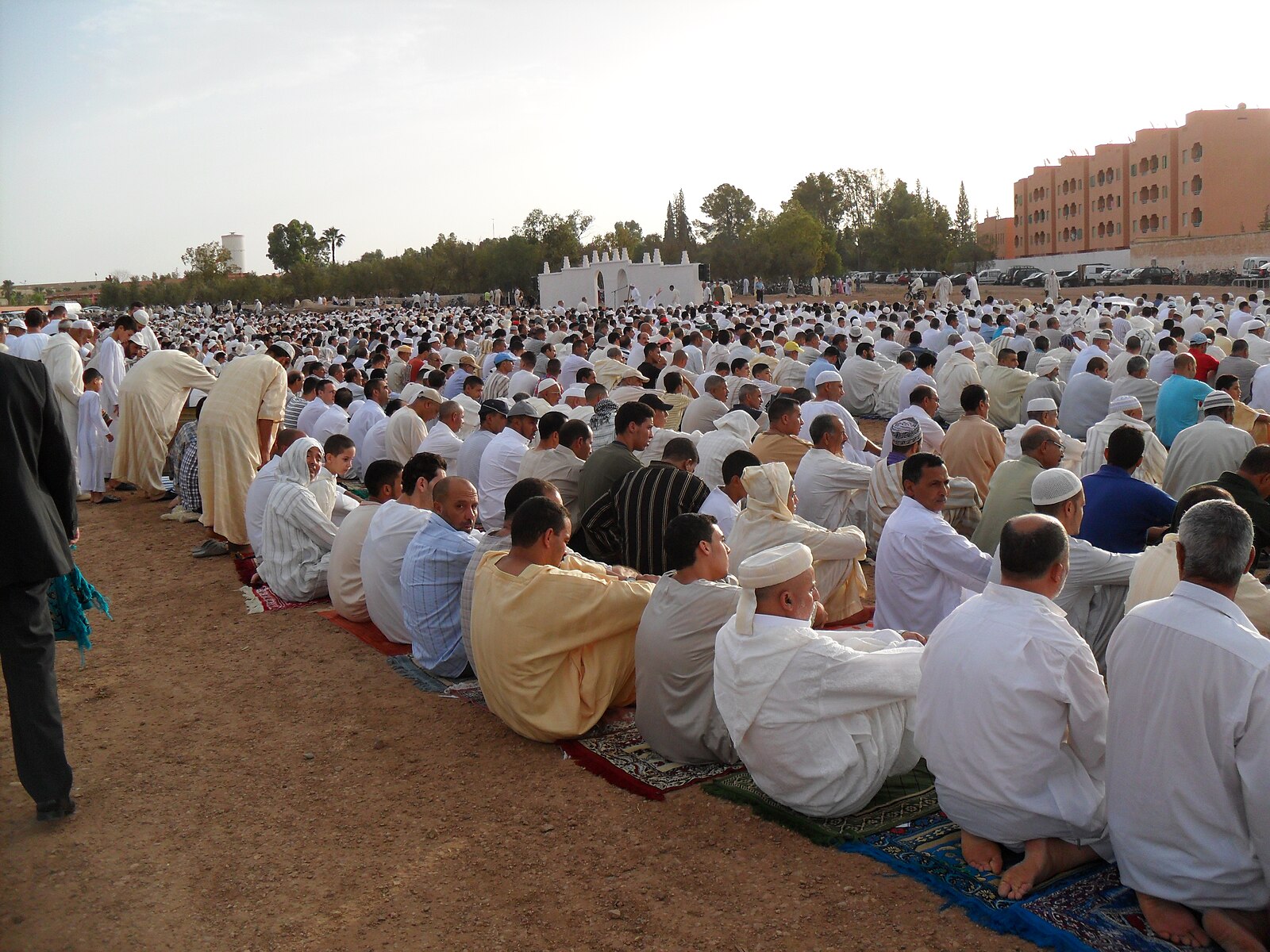
The closest Dutch comparison is structural rather than experiential. Sinterklaas has the cash-and-gifts-for-children quality, in the Dutch case put inside a shoe instead of an envelope. Christmas dinner has the long-table-with-extended-family quality. Neither carries the weight of having ended a month of discipline together. What both calendars do share is that they give a society a single day on which households know exactly what is being done, in what order, by whom.
Late spring — Eid al-Adha
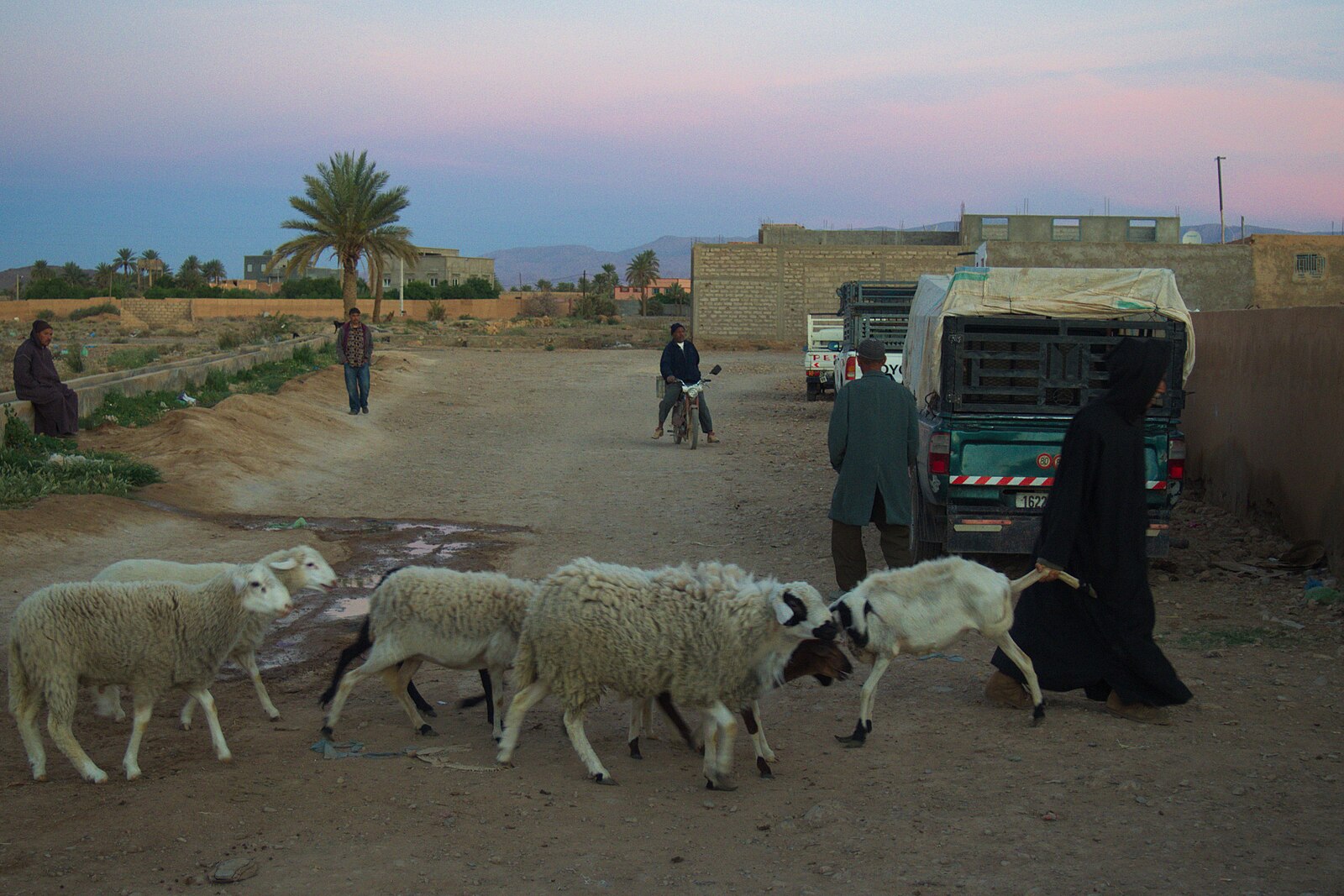
Two months and ten days after the end of Ramadan comes the second Eid. It is the harder of the two.
Eid al-Adha, the Festival of the Sacrifice, commemorates the moment in the Quran when Ibrahim is asked to sacrifice his son, prepares to do so, and is stopped at the last second by an angel who provides a ram in the boy’s place. The story exists in the Bible too as Abraham and Isaac. In the Quran the son is generally identified as Ismail. In the Islamic year it is the moment that marks the end of the hajj, the great pilgrimage to Mecca, and is observed everywhere a Muslim community exists.
In a Moroccan household the observance is concrete. In the days before the Eid the head of household buys a sheep. In the cities it is brought home in the boot of a car or, in small flats, tied to the railing of a balcony. In a Rif village it is bought from a neighbour or a relative. By the morning of the Eid it is in the courtyard.
After the Eid prayer at the mosque, the slaughter happens. A trained butcher or, in many traditional households, the head of the family himself does it. The throat is cut while the name of God is invoked. The blood drains into a basin. The carcass is hung. The skin is removed. The sheep is then processed across the rest of the day and into the next.
A specific tradition of the Eid morning is boulfaf. Before any other meat is touched, slices of the liver are wrapped in pieces of caul fat, threaded onto skewers, and grilled over coals. The first meal of the Eid is these skewers, with bread and tea, eaten by the men of the household near the courtyard fire. The smoke is unmistakable in any Moroccan neighbourhood that morning.
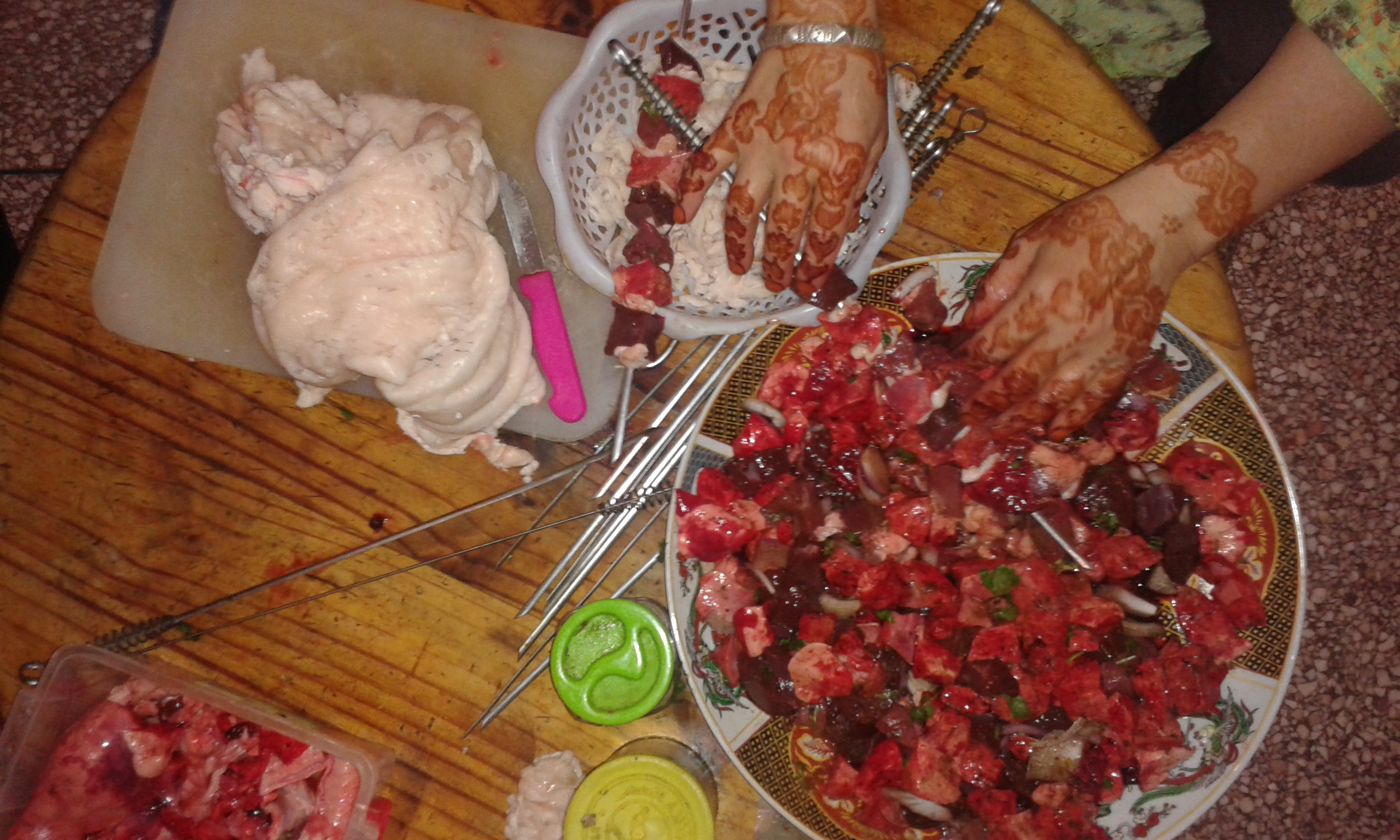
The meat itself is divided in three. One third for the family. One third for friends and neighbours. One third for the poor. The third for the poor is taken to specific neighbours in the village, or to a mosque collection. This is the religious heart of the day. The point is not the meat. The point is the redistribution.
The slaughter-day on Dutch farms a generation or two ago is the closest parallel, and it is far. An animal was killed in autumn and the meat preserved through the winter, often shared with neighbours. That practice is mostly gone, and it was never religious. Eid al-Adha is the Moroccan moment that sits heaviest on a Dutch visitor. The proximity to the animal is visible. The blood is visible. The intent is visible. For a partner from a vegetarian or post-agricultural Dutch background, this is the day in the year that requires the most acclimatisation. For the family hosting that partner, the most useful thing is to be told in advance.
Children are usually present. They are not shielded from the slaughter. They learn early that meat is an animal that was killed, that the killing has a religious form, that the meat will be shared, and that the sheep was paid for from the family’s earnings as a real expense. The lesson is direct.
Summer — the homecoming and the wedding
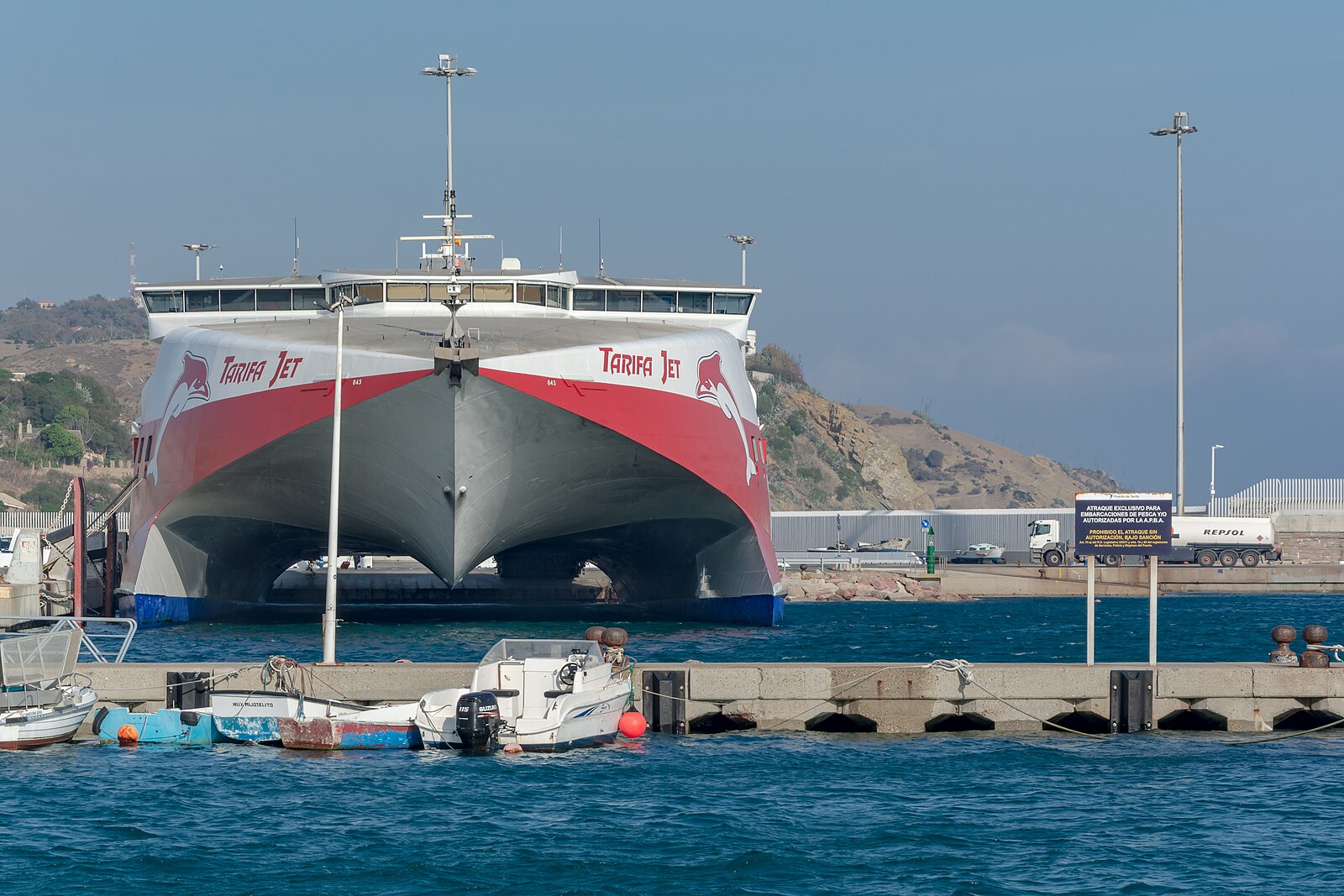
Summer in the Rif is the loud half of the year. From late June onwards the European-resident families begin to come back. They drive south through France and Spain. They board the ferry at Algeciras or, more often now, at Tarifa, and they cross the Strait of Gibraltar. By the first week of August the village is full and the road from the port to the mountains is bumper-to-bumper Dutch and Belgian and French plates.
The villas that stood half-empty all year fill up. The grandmother who has been alone since September is suddenly hosting twenty. The pots in her kitchen run all day. The children of cousins meet each other for the first time since the previous summer. The teenagers reach for the Tarifit they half-remember. The elders watch the village as it is meant to look.
This is also the wedding month.
Most weddings in a Rif village are timed to the August homecoming for one reason. The diaspora is back. A wedding that happens in February will be missed by half the family. A wedding in August will not be missed by anyone. The weddings of the world’s Moroccan families cluster in those few weeks for that reason, and the village tents and the wedding singers and the henna artists are all booked months in advance.
A traditional wedding in the Rif is five days of events.
The first is the khoutba, the formal engagement. It is sometimes held weeks earlier and sometimes folded into the wedding week itself. The two families meet. The marriage contract is read. The mahr is agreed: the obligatory gift from the groom to the bride, in money or in gold, hers to keep regardless of what happens later. The mahr is a religious requirement, not a cultural option. It belongs to her, not to her family.
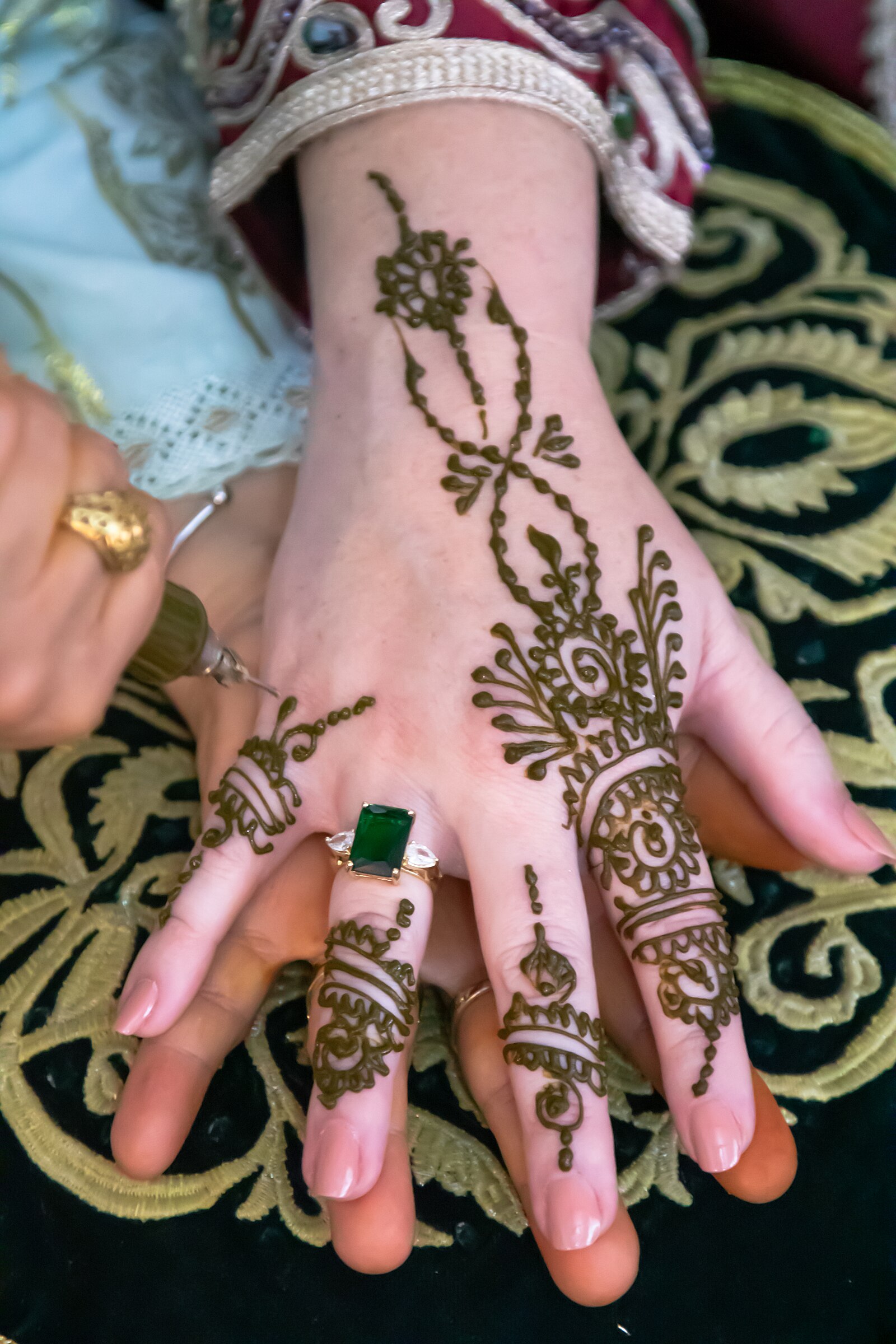
The second is the henna night, laylat al-henna. It is a women-only event. The bride sits on a low cushion, dressed in a green or yellow kaftan, surrounded by the women of both families. A neggafa, a wedding stylist who is part of every Moroccan wedding, applies elaborate henna designs to her hands and her feet. The other women have their hands done too. There is music, almost always a cheikha singing in Tarifit or Darija, and the women dance and ululate. The ululation, zaghareed in classical Arabic and a number of regional names in dialect, is a high trilling cry done with the tongue. It marks every joyful moment of a Moroccan celebration. The henna night is the female sphere at its fullest.
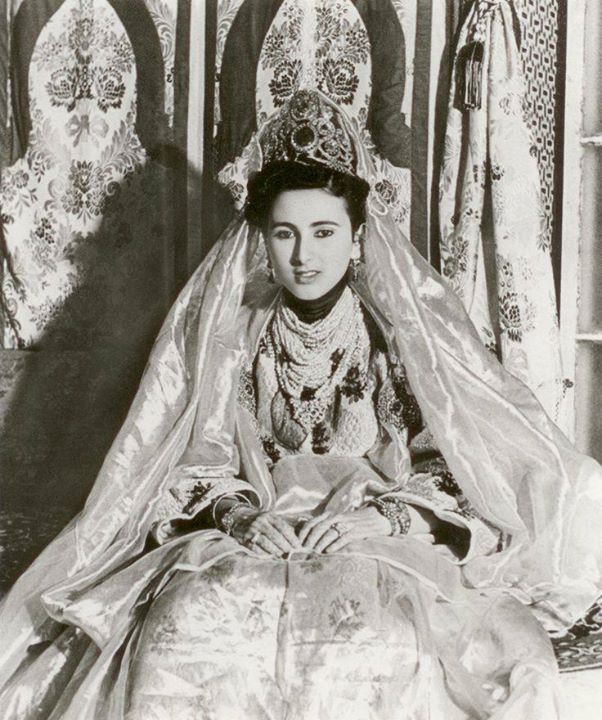
The third is the wedding day proper. The bride is dressed by the neggafa in the takchita, a two-piece formal kaftan. Across the day she will change costume up to seven times, including, in many Rif and northern Moroccan weddings, a version of the chedda, the elaborate jewelled bridal headdress and gown of Andalusi inheritance. She is carried into the wedding hall on an amaria, a covered ceremonial throne, by four men. The groom is brought separately. They sit together on a stage. The hall watches. The food is enormous. The dancing goes until three in the morning, sometimes five.
The fourth is the men’s gathering, often a separate dinner at the groom’s family home with the male relatives.
The fifth is the sabaa, the seventh day, when the new wife visits her mother’s house for the first time as a married woman, with her husband. The visit closes the cycle.
A Dutch wedding compressed into a single afternoon at a town hall and a dinner is the inverse format. A Moroccan wedding is not a small private ceremony between two individuals. It is a multi-day public statement by two families. For a Dutch partner attending a Rif wedding for the first time, the scale is the surprise.
Autumn — the village empties
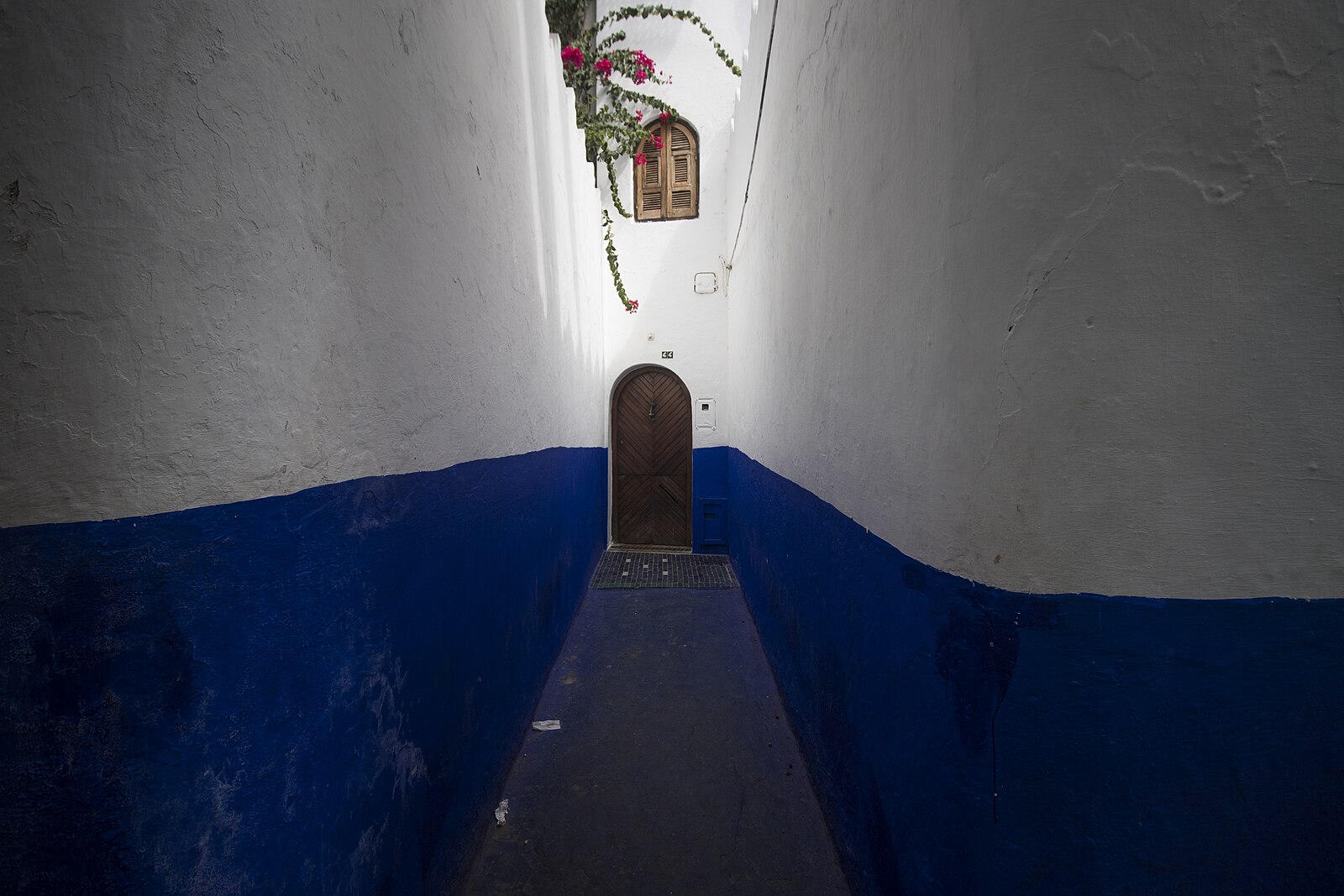
Autumn comes in two stages. The first is the diaspora leaving. By the last week of August the cars repack. The teenagers return to Dutch schools. The grandmothers wave from courtyard doors and then go back inside to a house that is suddenly quiet.
The second is the village resettling into its winter rhythm. The shops return to normal hours. The elders meet again at the same café table at the same time of day. The Friday couscous comes back. The hammam fills with the regulars. By October the village is itself again.
Death visits a household at no fixed point in the year. In this episode it lands in autumn.
The grandfather of the family dies. He is in his eighties. The illness was short. The family is told within an hour. The body is washed at home, by male relatives, in the way prescribed. Women relatives do the same for a woman. There is no embalming. There is no coffin. The body is wrapped in three white shrouds and carried, by the men of the family and the neighbourhood, to the mosque. The funeral prayer is brief. The procession then goes to the cemetery. The burial happens within twenty-four hours of the death, often within twelve. The body is laid in the grave on its right side, facing Mecca.
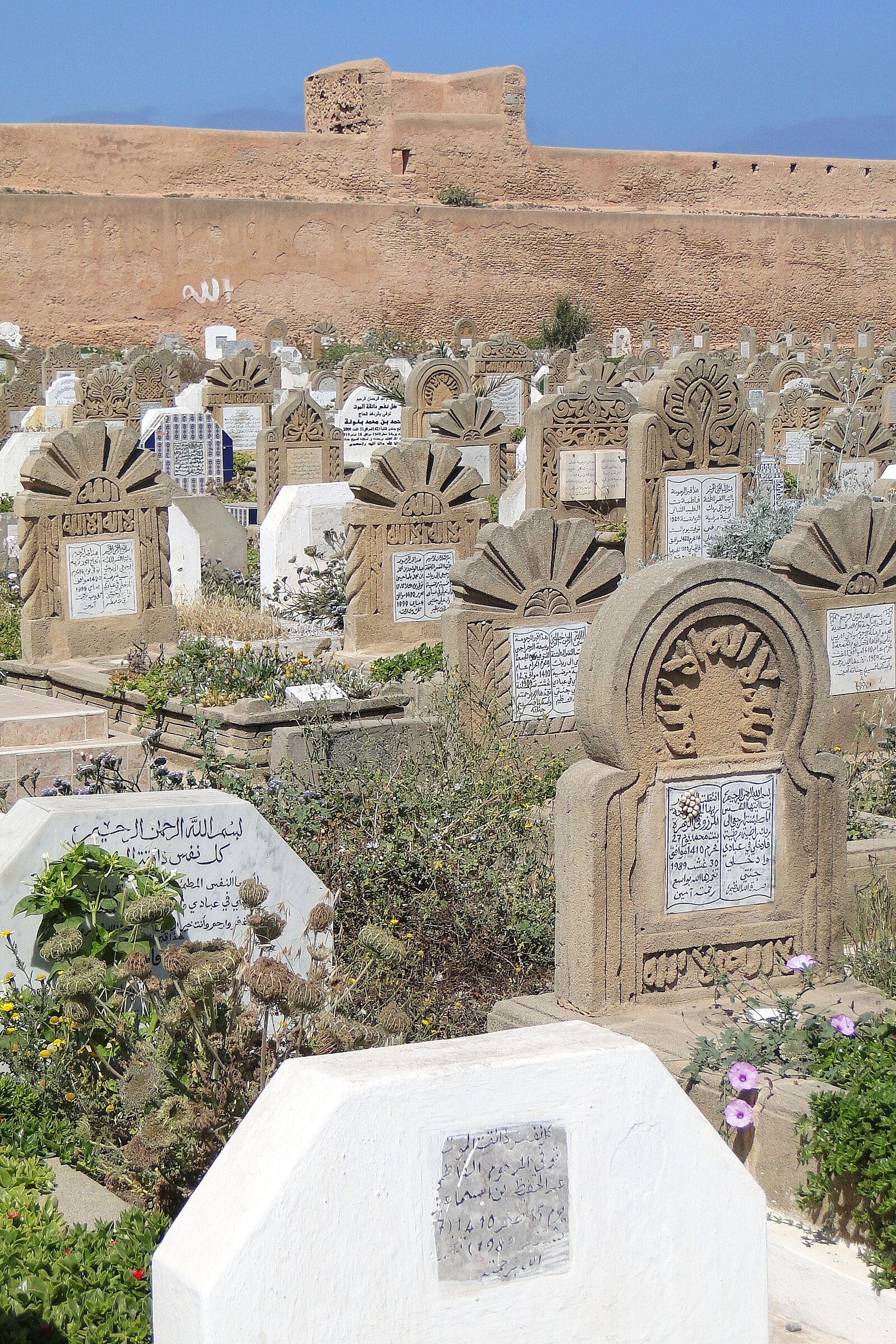
The women of the family do not go to the cemetery in most traditional Moroccan practice. They stay at the house. They cook for the men returning, and for the visitors who will come for the next three days, and for the next forty. The widow sits in a designated room and receives them. She wears white, in the Moroccan tradition, not black.
She enters the religious mourning period the Quran specifies for widows: idda, four months and ten days. During that period she does not remarry, does not dress for celebration, and does not leave the home unnecessarily. The forty days following the death are the most intense. Food arrives at the house from neighbours throughout. The mosque reads the Quran in the deceased’s name. The grave is not normally visited again until after the forty days are up.
A Dutch funeral is the inverse in almost every detail. It happens up to a week after the death, sometimes longer. The body is embalmed and presented in a coffin. The ceremony is often secular, often at a crematorium. The mourning is privatised. The widow returns to a smaller house, alone or with her children, and resumes her own life on her own schedule. The Moroccan model is communal and immediate. The Dutch model is individual and slow. Neither is wrong. Both are difficult to enter from outside.
Close
That is one year in a Rif household.
Births in winter, fasted days in spring, a sheep at midsummer, the diaspora arriving in August with weddings on its heels, the diaspora leaving in autumn, a death in the quieter months, and the year reset for the next cycle.
Underneath all of it, the same constants. The female sphere does most of the labour and carries most of the social gravity. Hshouma, the watchful sense of what brings honour and what brings shame on the family, threads through every public moment. Hospitality is the unspoken first law of every visit. The Islamic calendar provides the year’s biggest anchors and drifts through the seasons as it does so. The diaspora supplies the year’s loudest weeks.
For a Dutch partner of someone from this household, the most useful thing to know is what month it is in her family’s year. If it is Ramadan, certain behaviours are expected and others are postponed. If it is Eid al-Adha, a sheep is involved. If it is August, the cousins are back and the schedule is not yours to set. If a baby is seven days old, the henna is on its forehead and rfissa is on the kitchen counter. If someone has died, the meal arrives at the house from outside and you do not need to be invited to bring it.
The country is in the household. The year is the rhythm. This is where it lives.