The Rif — a region with its own story
Foundation, episode 1: why northern Morocco is a country inside a country.
The Rif region, outlined, sits along the Mediterranean coast of northern Morocco. Markers identify the places the episode names — pan and zoom to read the geography while listening.
Opening — Morocco at a glance
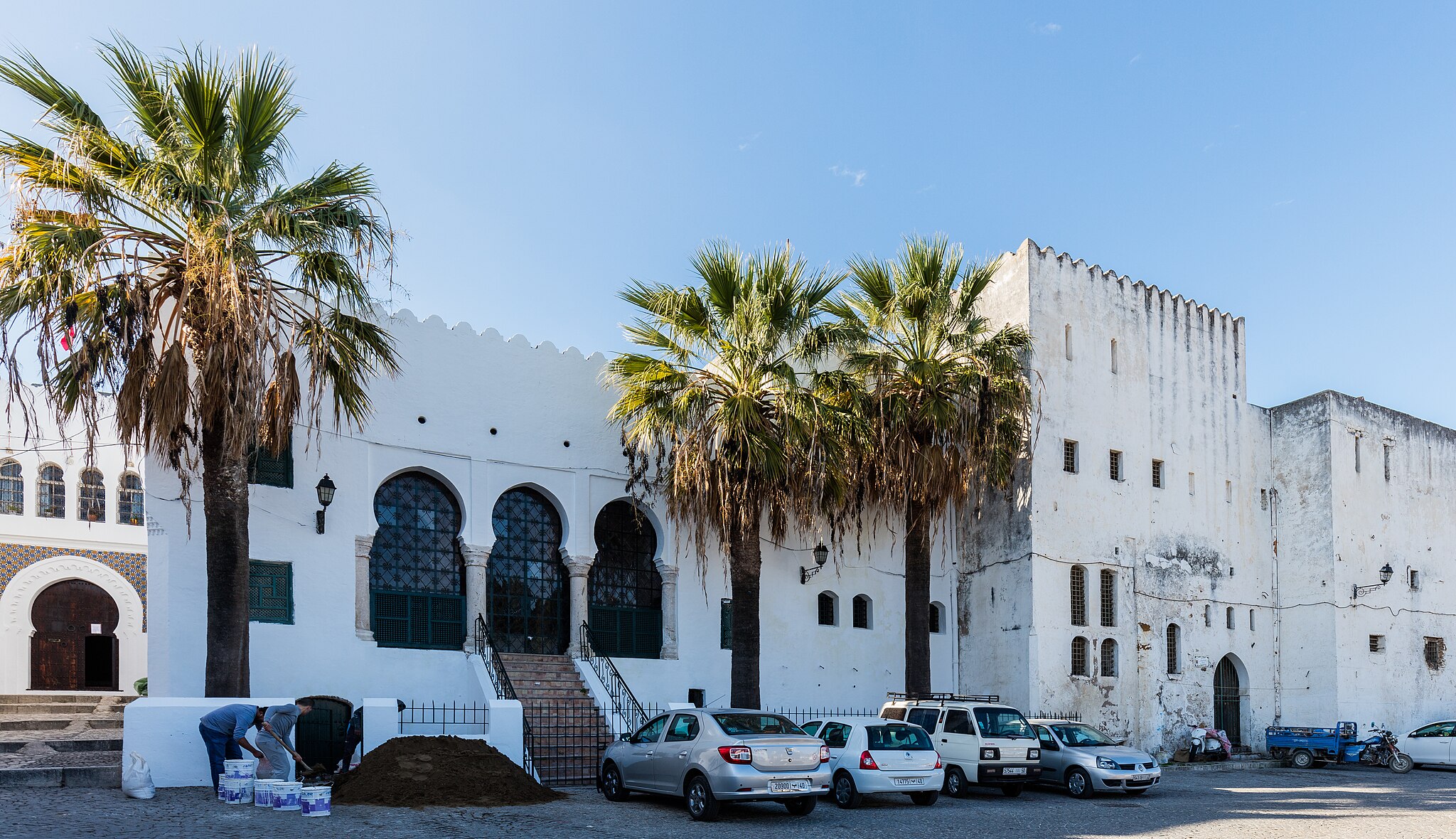
Morocco is a country a Dutch listener already knows in fragments.
The brochure version: Marrakech, the Sahara, mint tea on a roof. The news version: a young king, a long border with Spain, and a region in the north that periodically erupts in protest. The community version: roughly four hundred thousand Dutch citizens with Moroccan roots, concentrated in Rotterdam, Amsterdam, Utrecht, and The Hague.
None of those fragments quite add up to the country itself.
This episode is an attempt at the country itself, broad enough to be useful for someone in the Netherlands beginning to understand a Moroccan family.
The basic facts. Morocco sits in the north-west corner of Africa. The Atlantic on its west, the Mediterranean on its north, Algeria on its east, the disputed Western Sahara on its south. Its population is about thirty-seven million, more than twice that of the Netherlands. The distance from Amsterdam to Casablanca is around two and a half thousand kilometres. There are direct flights every day.
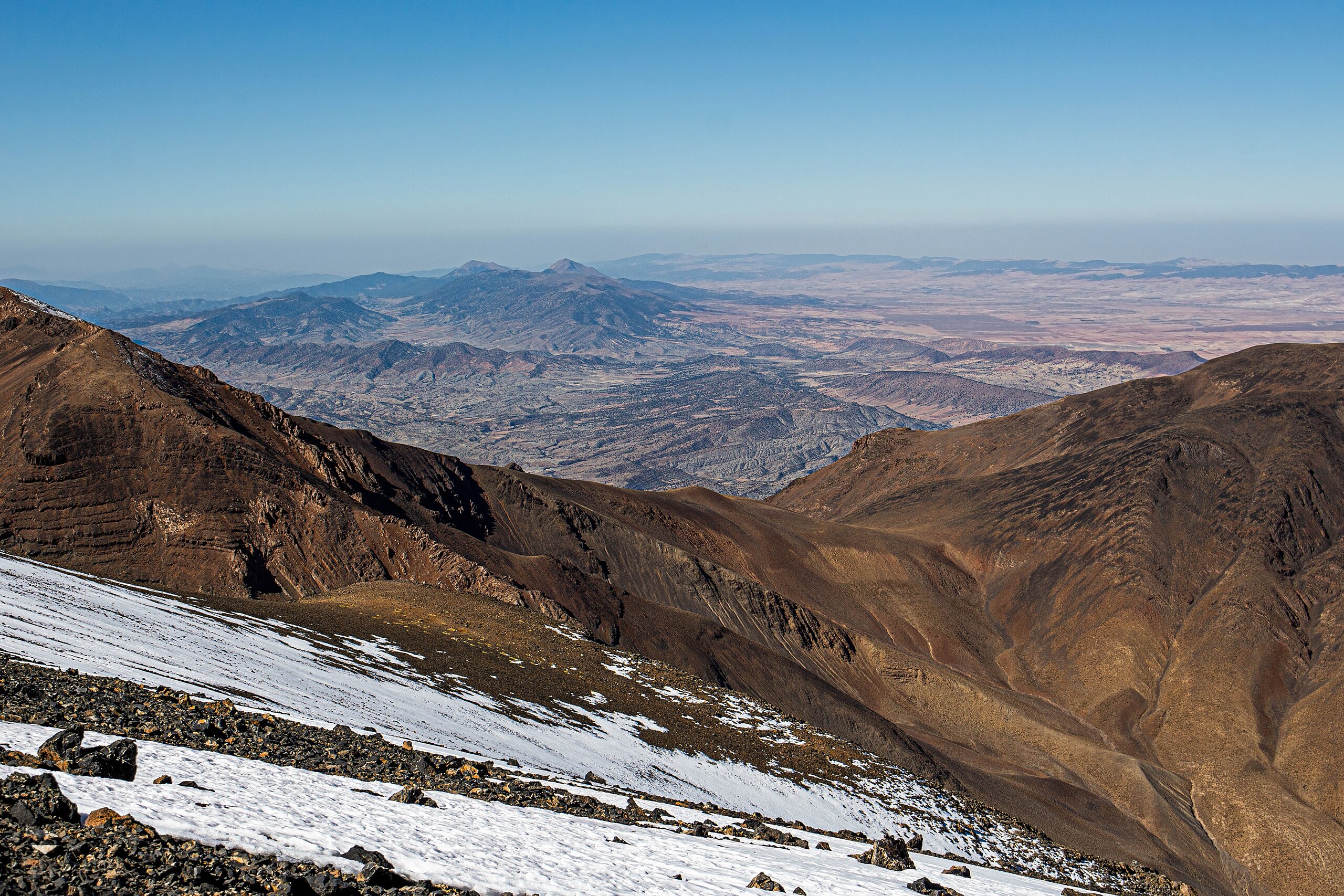
The land itself is more varied than the postcards suggest. Three mountain ranges run through the country. The Rif in the north. The Middle Atlas through the centre. The High Atlas to the south. The Sahara begins on the southern slope of the Atlas. The Atlantic and Mediterranean coasts are densely populated. The interior is mostly mountain and desert.
Morocco has been a constitutional monarchy since it gained independence from France in 1956. The current king, Mohammed the Sixth, has been on the throne since 1999. Almost every Moroccan you meet was born during his reign or his father’s. Islam is the official religion. The state runs on a written legal code and a parliament. It also runs on a sphere of authority called the makhzen, which sits around and sometimes above the formal government. That second layer matters later in the episode.
For now, the surface. Now the texture beneath it.
Daily life and cultural habits
Moroccan culture is not a single thing. The Casablanca middle class lives differently from a village in the High Atlas. A young person in Tangier with a smartphone navigates a different world than a grandmother in a Rif village. But there are patterns that hold across the country and across generations. They are the patterns most likely to surprise a Dutch visitor, and the ones most likely to define a Moroccan family.
The first is hospitality.
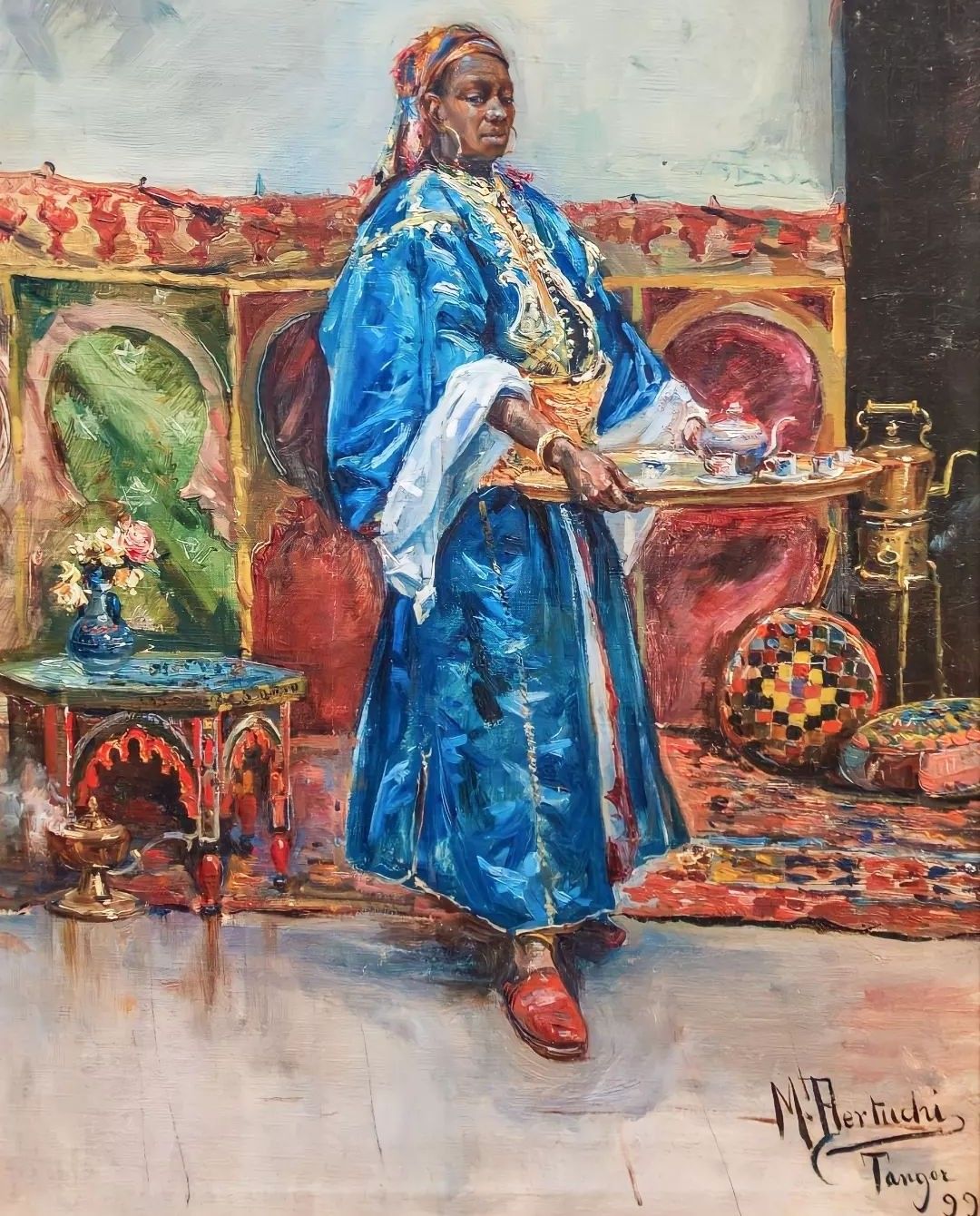
A Moroccan home receives guests as a matter of duty and of pleasure. Mint tea is offered, almost always. The pour is ceremonial: held high above the glass to aerate the tea, repeated multiple times to layer the flavour. There will usually be food, even if the guest said they would not eat. There will be more food than the guest can finish. Refusing entirely is taken as rejection. Eating less than the host hoped is normal and expected.
Dutch hospitality is honest and reserved. A guest is offered koffie, sometimes a single cookie. There is a stereotype, only partially fair, that Dutch households offer three biscuits to children visiting friends and calculate the rest carefully. Moroccan households operate on a different premise. Excess is the proof of welcome. Restraint reads as indifference.
The second pattern is mealtime.
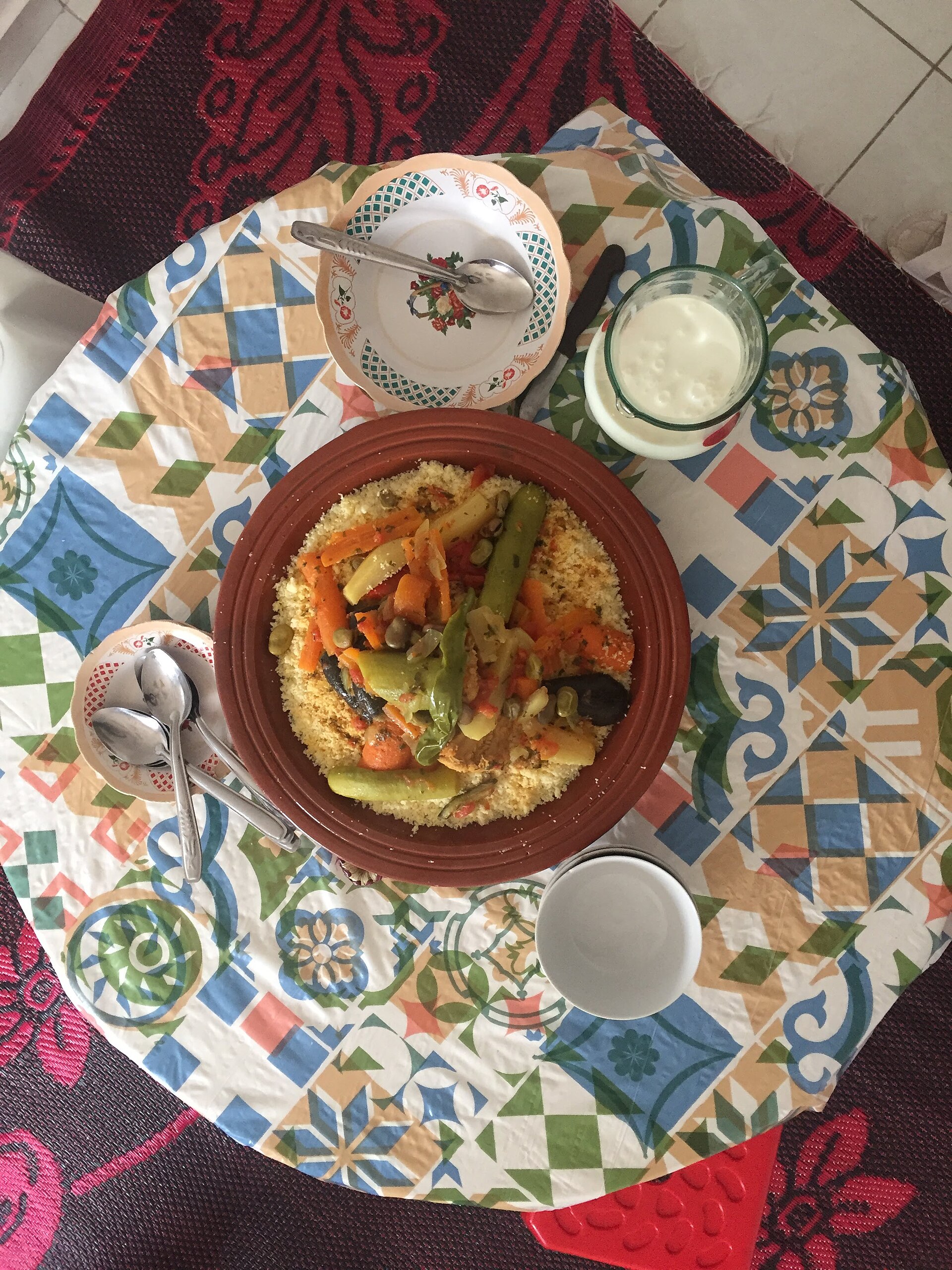
The default Moroccan meal is communal. A central dish, a tagine or a couscous, sits on the table. Each person eats from the section closest to them, often using bread instead of a fork. Couscous, traditionally, is the meal of Friday. It marks the religious week. Older families still observe this. Younger urban ones increasingly do not.
A Dutch household eats individually. Each person has a plate. Each plate is portioned. The shared central serving dish exists, but the ritual of communal eating from it does not. The closest historical Dutch parallel to the Friday couscous is the Sunday roast, mostly faded now from regular practice. The Friday couscous in Morocco is still alive.
The third pattern is family.
The Moroccan extended family is the basic unit, not the nuclear family. Grandparents often live with their children. Adult sons sometimes stay in the family home with their wives. Decisions a Dutch household would treat as individual, like what to study, who to marry, where to live, are family decisions in much of Morocco.
The mother is the gravitational centre of the household, even within formally patriarchal structures. Sons’ loyalty to the mother is often the strongest tie in the family. The relationship between a Dutch daughter-in-law and her mother-in-law is generally cordial and distant. The Moroccan equivalent is intimate and consequential.
The Dutch model is the opposite. Children leave home around eighteen. The nuclear family is small and self-contained. Decisions are individual. The Moroccan family is what an anthropologist would call kin-collectivist. The Dutch family is kin-individualist. Both models are stable. Neither one transfers cleanly to the other, which is part of why intercultural marriages need work that monocultural marriages do not.
The fourth pattern is time.
The Arabic phrase Inshallah, meaning “if God wills”, is not fatalistic. It is a recognition that human plans are not fully sovereign. In daily Moroccan use, it qualifies appointments, arrivals, plans of all kinds. A meeting at three o’clock, Inshallah, might happen at three or might happen at four-thirty. The flexibility is not laziness or rudeness. It is a different relationship to time.
The Dutch relationship to time is the opposite again. The Dutch say afspraak is afspraak. An appointment is an appointment. The agenda is sacred. Punctuality is a virtue. A Dutch visitor to a Moroccan family will need to recalibrate the agenda’s claim on the day.
The fifth pattern is hshouma.
The Moroccan concept of hshouma, sometimes translated as shame, is one of the strongest social regulators in the country. It covers what is appropriate, what brings honour, what brings shame on the family. It governs dress, behaviour, the relationships people have publicly, what is said in front of elders. It is not the same as the Western Christian concept of guilt, which is internal. Hshouma is external. It is about what others see, and what reflects on the family.
The Dutch have their own version of social shame, expressed in the phrase doe normaal. Behave normally. Don’t make a scene. Don’t stand out. The two systems are differently calibrated. Dutch doe normaal is egalitarian and individualist. Moroccan hshouma is honour-based and familial. But they operate in similar territory. Both are how a society quietly tells its members what is expected.
The sixth pattern is religion in the rhythm of the week.
Islam structures Moroccan time. Five daily prayers, signalled by the call from the mosques, mark the hours from dawn to night. Friday is the religious day. The midday Friday prayer is the most observed of the week. The month of Ramadan, when the country fasts from sunrise to sunset, transforms public life. Meal times shift. Work hours adjust. Evening becomes the social peak.
Dutch life has none of this rhythm. The country is, by every measure, one of the most secular in Europe. Christianity persists in holidays and language but does not structure most people’s weeks. A Dutch visitor to a religious Moroccan household will encounter a different relationship between religion and daily time than the one they grew up in.
Languages
Three languages run through Moroccan life, and the relationship between them tells you something about how the country is organised.
The first is Arabic. But Arabic is two things at once. Modern Standard Arabic is the language of the constitution, of formal news, of the mosque sermon. It is not what people actually speak. What people actually speak is Darija, the Moroccan dialect of Arabic. Darija has absorbed centuries of contact with Berber, Spanish, French, and now English. A Moroccan and an Egyptian, both speaking their respective dialects, will struggle to follow each other in casual conversation.
The second is French. Forty-four years of French protectorate left a language layer that has not gone away. French is the language of higher education, of much of business, and of significant parts of the state bureaucracy. A young Moroccan from an educated family will move fluently between Darija at home, French at university, and Modern Standard Arabic in formal writing. The role of French in Morocco today is similar to the role of English in the Netherlands. Not the mother tongue, but the working language of significant institutions.
The third is Berber, or in its own family, Amazigh. This is the oldest layer of the country’s linguistic ground. About forty per cent of Moroccans speak some form of Amazigh as their first language. There are three main varieties. Tashelhit in the south. Tamazight in the centre. Tarifit in the north. They are not mutually intelligible. They are also not dialects of Arabic. They are their own language family, predating Arabic in North Africa by thousands of years. Since 2011, Amazigh has been an official language of Morocco, alongside Arabic. The classroom reality has not yet caught up with the constitutional commitment.
In a Moroccan household, what is spoken on a given afternoon depends on the speaker, the listener, and the topic. A family from the Rif might speak Tarifit at home, switch to Darija when neighbours visit, use Modern Standard Arabic in religious contexts, and reach for French when discussing administrative matters. A child grows up hearing all of this and speaking most of it.
The closest Dutch parallel is partial. Dutch is the default. English is the working second language. Frisian is the second official language with the same gap between recognition and classroom reality that Tarifit experiences in the Rif. But the layered three-or-four-language daily reality of a Moroccan household has no real Dutch equivalent.
The Rif
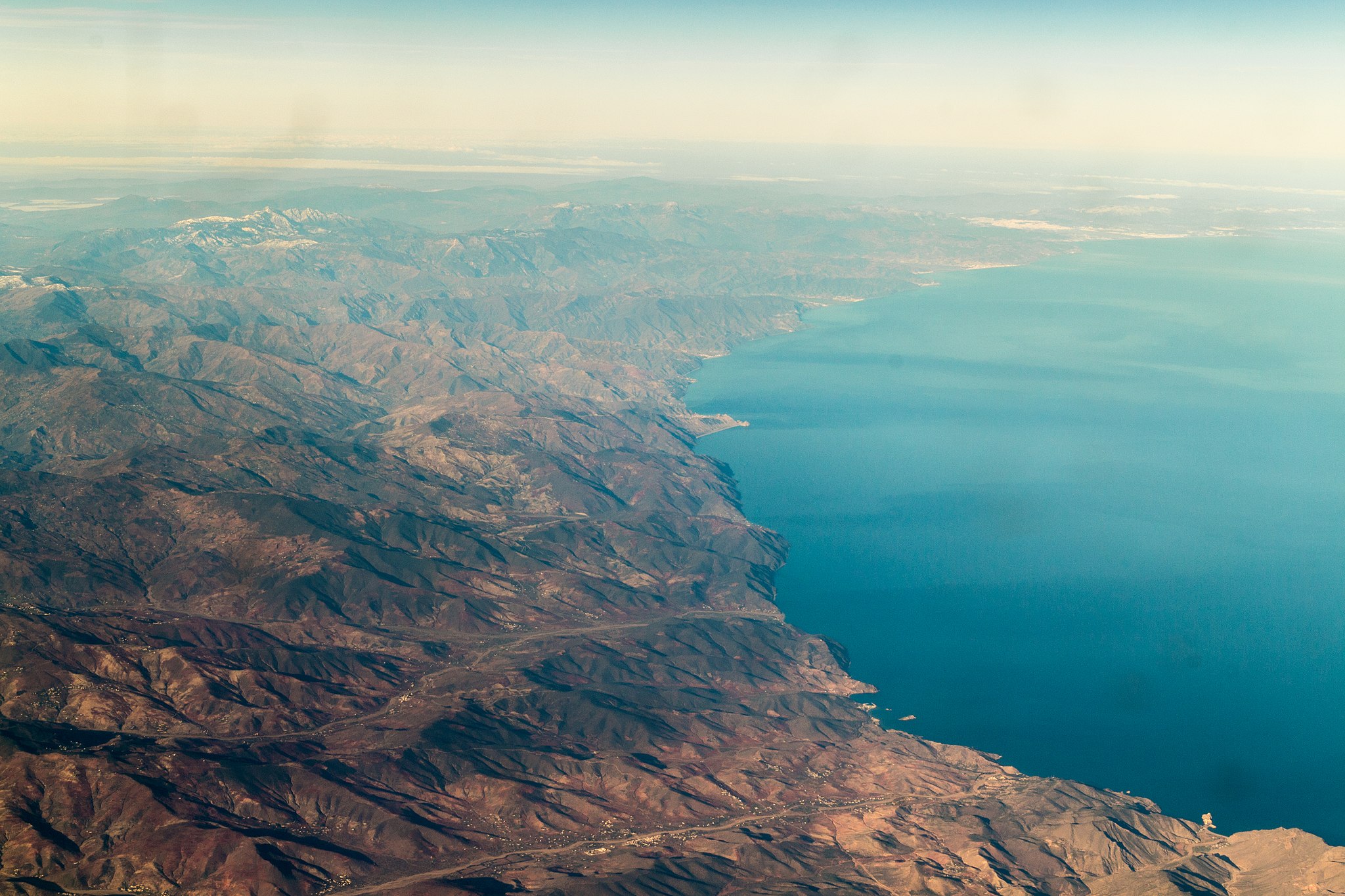
The region a Dutch listener is most likely to encounter, through family and community, is the north. The Rif. The mountainous strip facing the Mediterranean.
What makes the Rif distinct is layered.
It is geologically not Moroccan in the usual sense. The Rif mountains are not part of the Atlas. They are a piece of southern Spain that drifted across the strait. Rock and landscape there are closer to Andalusia than to Marrakech. The mountains are high enough for snow in winter, isolated enough that until well into this century the road from Tangier to the Algerian border did not exist as a coastal route. Geography here has been a political fact for a thousand years.
The colonial layer is also different. When most of Morocco became a French protectorate in 1912, the north was carved off and given to Spain. Madrid could not afford to let another European power control the African side of the Strait of Gibraltar. For the next forty-four years, the Rif was a separate colony, administered from Tetouan, oriented economically and culturally toward Madrid rather than Paris. The residue is audible. Words borrowed from Spanish in the local language. Spanish television more watched than French. A diaspora that flowed north to Spain, Belgium, and the Netherlands rather than west to France.
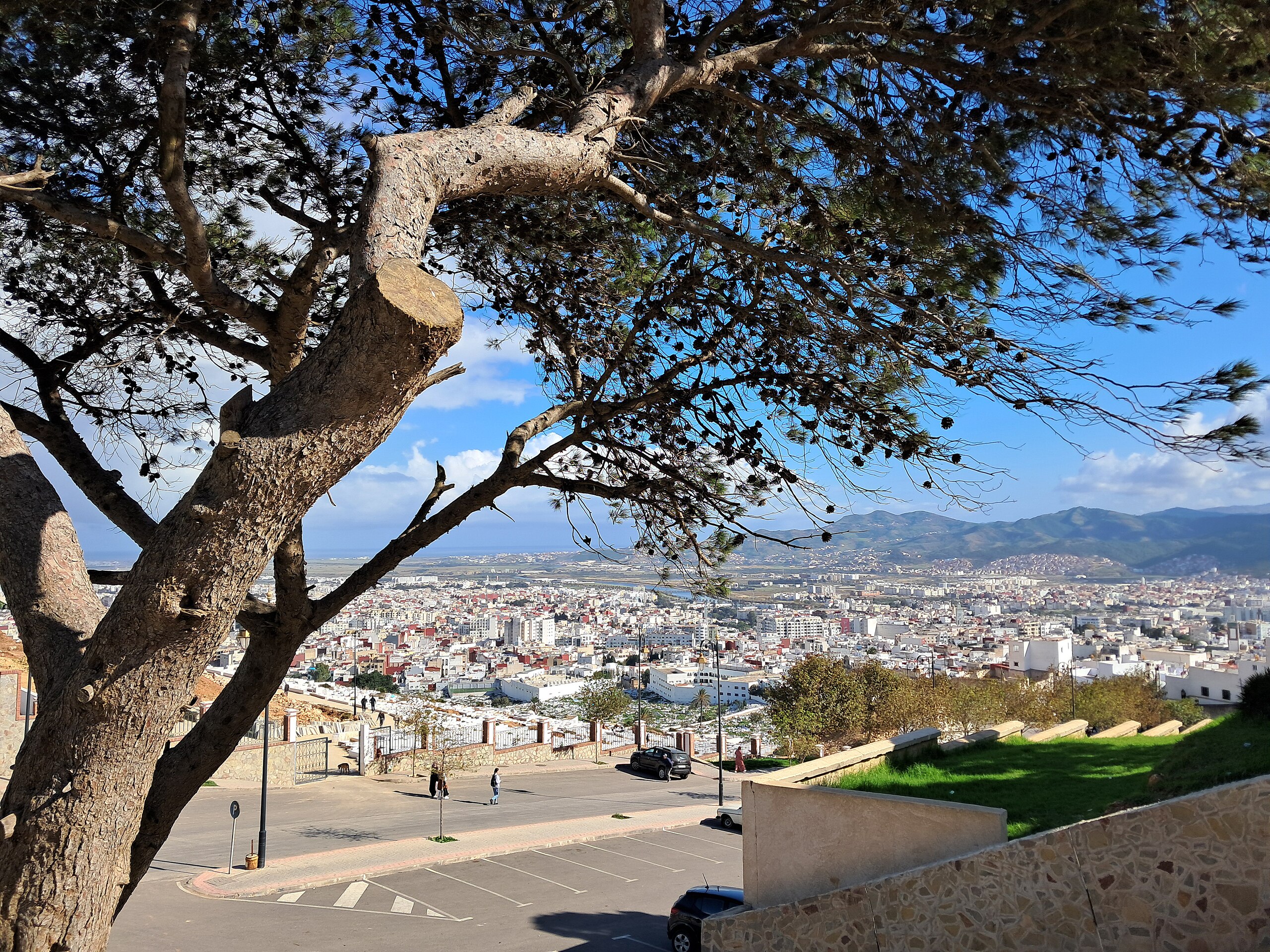
But the most consequential thing about the Rif is the long history of its relationship with its own capital.
Morocco’s pre-colonial political geography distinguished two kinds of country. The land that paid taxes, and the land that did not. The Rif was the land that did not. It acknowledged the sultan’s religious legitimacy and ignored his fiscal demands, and it had done this for centuries before any European power turned up. Four times in the last hundred years, that resistance has broken into the open.
The first was the Rif War.
In 1921, a Rifian leader named Abd el-Krim, a judge’s son educated in Fez, led an ambush on a Spanish army at a place called Annual. Nearly fourteen thousand Spanish soldiers were killed. It was the worst defeat of a European colonial army in a generation. It collapsed the Spanish government. And it gave Abd el-Krim something no one had expected: enough captured equipment, and enough legitimacy, to build a state.
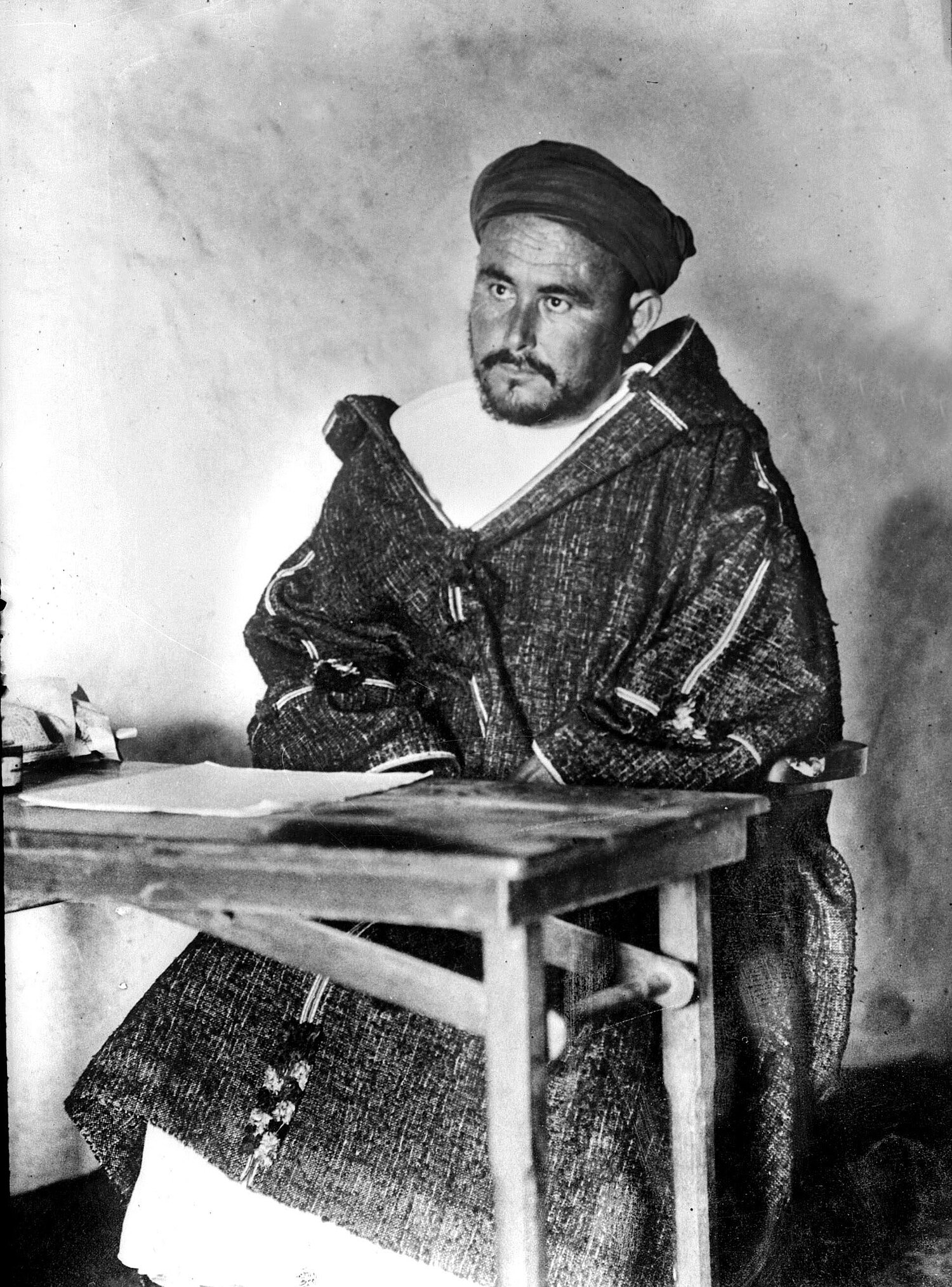
For five years, the Rif was a republic. It had ministries. It had a flag. It had a currency of its own. It had diplomats in London. It was the first modern Amazigh state in North Africa. And it was crushed, in 1926, by a joint offensive with Spain and France fighting together. Among the Spanish officers landing on the Rif coast was a young colonel named Francisco Franco.
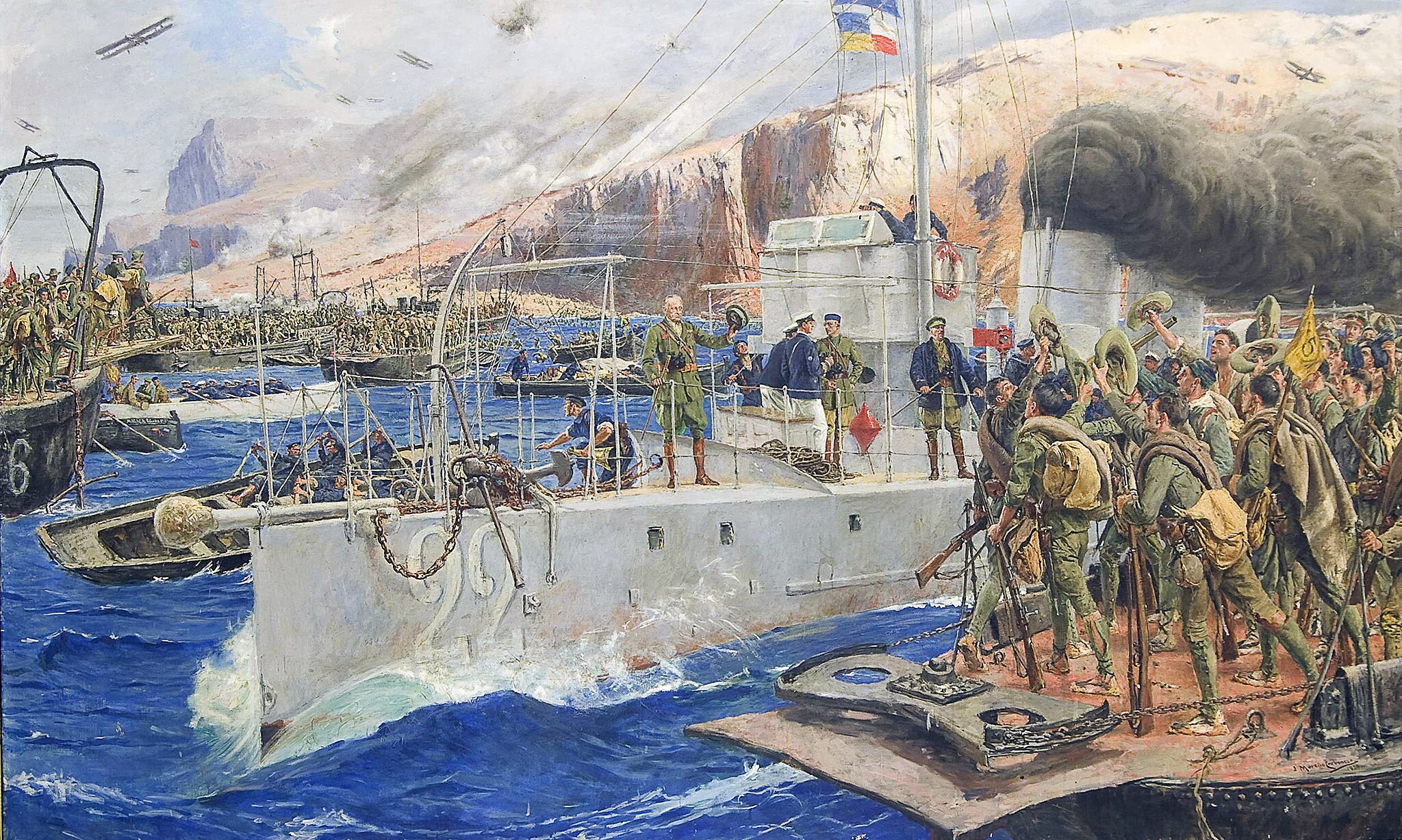
It was crushed, in part, with poison gas.
For six years, Spanish aircraft dropped mustard gas on Rif villages, markets, and water sources. The agents had been supplied in secret by a German chemist in Hamburg, in violation of the Treaty of Versailles. A Spanish High Commissioner wrote at the time, in a telegram that survives, that he had held out against using them but that, after what had been done to his soldiers, he would use them, his words, “with true joy.”
Spain has never formally apologised. A century later, the Rif has a higher cancer rate than the rest of Morocco, and Rifian civil-society groups draw a line between those two facts. The epidemiology is contested. The memory is not. When the protest movements of 2017 demanded a regional cancer hospital, they were asking for acknowledgement as much as for a clinic.
That is the first argument. It has cast the longest shadow.
The second began two years after Morocco became independent. In 1958, the Rif rose again, this time against its own national government. The suppression was directed by the Crown Prince, the young man who would later become Hassan the Second. Most of the royal army was deployed. Villages burned. Estimates of Rifian dead run into the thousands. The region was placed under a military-zone decree that would remain in force for almost half a century. And almost none of this appeared in Moroccan history textbooks.
The third was in 1984. Bread riots, triggered by economic hardship, spread through the northern cities. Hassan the Second gave a televised address. He called the protesters awbash. Scum. He reminded the north that they had known him as crown prince, and warned them that they would not wish to know him as king. That sentence is still understood in the Rif as an explicit reference to 1958. Forty years later, the word awbash is still shouted at northern marchers.
The fourth is living memory.
In October 2016, in the port of Al Hoceima, a fishmonger had his day’s catch confiscated and tipped into a municipal rubbish truck. He was thirty-one. His name was Mouhcine Fikri. He climbed into the truck to retrieve his fish. A witness reported the order given to the compactor operator in two words of Moroccan Arabic. Thaan mmoo. Crush his mother. The hydraulic compactor engaged. He was killed on the loading dock.
A protest began that afternoon. It lasted eight months, across dozens of northern towns. Its most visible figure was a thirty-nine-year-old man named Nasser Zefzafi, whose great-grandfather had served as an interior minister of Abd el-Krim’s republic nearly a hundred years earlier. One Friday in May 2017, during a sermon that condemned his movement from the pulpit, Zefzafi stood up in the main mosque of Al Hoceima and asked the imam one question. “Do the mosques belong to God,” he said, “or to the makhzen?” The state.
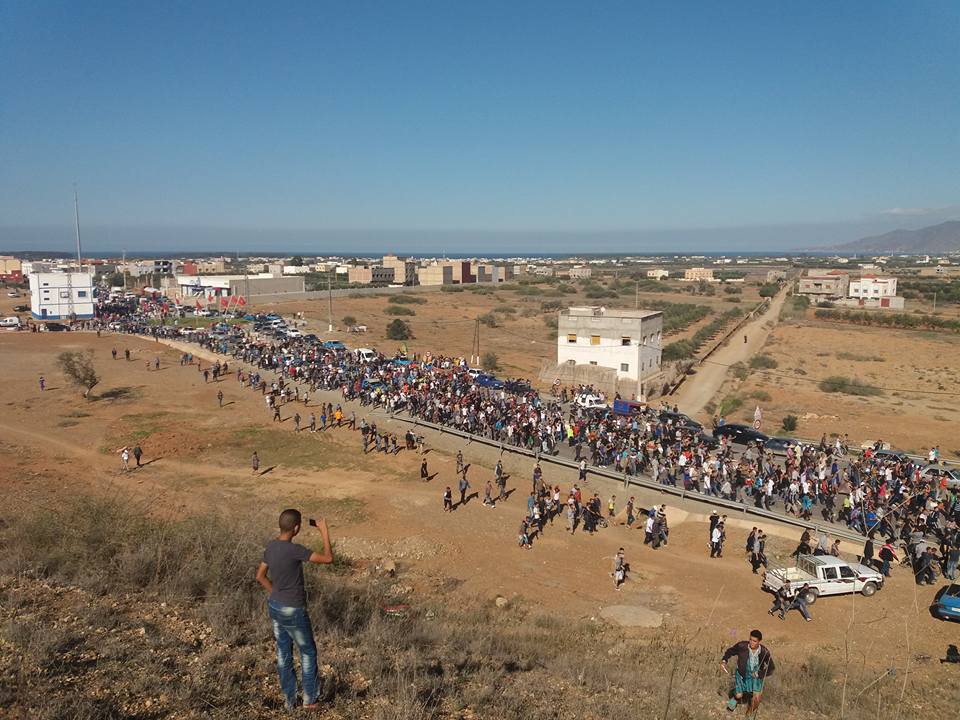
He was arrested three days later. He was sentenced to twenty years.
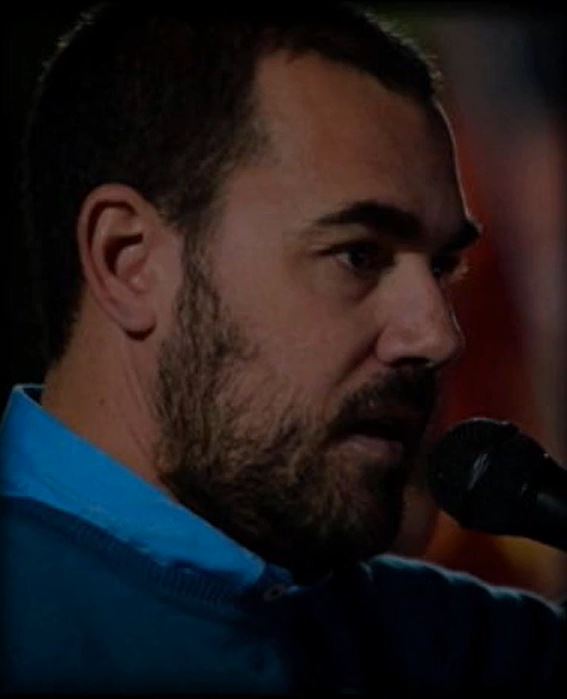
In September 2025, his father died of cancer. Zefzafi was released from prison for a single day to attend the funeral, in a small village called Ajdir, the village where Abd el-Krim had been born. He spoke from the roof of his father’s house. The gathered mourners became a spontaneous protest. He was driven back to prison the same evening. He is still held there.
Four confrontations. One argument.
The pattern is not Morocco’s alone. The Basque country, Catalonia, Corsica, Northern Ireland. Each has its own long argument with its capital. The Rif is Morocco’s version of something Europe recognises.
The diaspora and the Dutch connection
Most of the Moroccans in the Netherlands are from the Rif specifically.
This is a relatively recent fact, on the time-scale of Dutch demography. In 1969, the Netherlands signed a bilateral recruitment treaty with Morocco. The Dutch economy needed workers. Morocco had a mountainous, underdeveloped north with high unemployment. The first generation of gastarbeiders arrived in the early 1970s. They were mostly young men from Rif villages, with limited Dutch and limited French, intending to work for a few years and return.
Most did not return. Family-reunification policies brought their wives and children. Three generations later, roughly four hundred thousand Dutch citizens have Moroccan roots. The vast majority of them, by the estimate of the Dutch-Moroccan MEP Kati Piri, come from the Rif specifically. The communities are concentrated in the cities. Rotterdam. Amsterdam. Utrecht. The Hague. Almere. Eindhoven.
The shape of those communities is changing across generations. The first generation kept Tarifit at home, married within the community, sent remittances back to Rif villages, and built three-storey houses they expected to retire to. The second generation grew up in Dutch schools, often more comfortable in Dutch than in Tarifit, moving between the world of the Dutch state and the world of the extended family. The third generation is increasingly Dutch first, with a Moroccan heritage that is meaningful but often partial.
The Rif itself has been shaped by the diaspora as much as the diaspora has been shaped by the Rif. Remittances from the Netherlands have funded most of the construction in northern villages. Many Rif villages are partly empty for ten months of the year and full in August, when the European-resident families drive south for the holidays. The villas are tiled. The dishes are satellite. The cars carry European plates. The roads are often unpaved and the village often has no clinic.
The Dutch-Moroccan literary and cultural presence is significant. Abdelkader Benali, born in a Rif village called Ighazzazen and raised in Rotterdam, has been one of the most read Dutch novelists of his generation. Hafid Bouazza, Rachida Lamrabet, Asis Aynan write out of the same diaspora experience. Ahmed Aboutaleb, the long-serving mayor of Rotterdam, was born in a Rif village. The Dutch-Moroccan presence has shaped Dutch politics, literature, sport, and food.
The food is also two ways. Moroccan-Dutch bakeries, restaurants, and grocers are now an ordinary part of every major Dutch city. Mint tea is sold in Albert Heijn. Cumin and ras-el-hanout are stocked next to peper and zout.
The fact worth holding onto is this. To understand the Rif, for a Dutch listener, is also to understand part of home. Roughly two and a half per cent of the Dutch population traces back to one specific mountainous region in northern Morocco. The Rif is already in Dutch cities, Dutch schools, Dutch workplaces, Dutch politics. This episode is partly about catching up to that.
How Moroccans see themselves
Moroccans tend to describe their country with both pride and complexity.
Pride in the long continuity. The Alaouite dynasty has ruled, in some form, since the seventeenth century. Pride in regional diversity: the Berber south, the Arab plains, the Andalusi north, the Saharan extreme. Pride in religious moderation: the Maliki school of Sunni Islam, with a long tradition of intellectual openness and Sufi mysticism. Pride in food, in music, in craft.
Complexity in the political relationship with the state. Most Moroccans support the monarchy. Most also know its limits. The lines that cannot be crossed. The things that cannot be said.
For Rifians specifically, the self-description is sharpest at the edges. The Hirak banner of 2017 was not a separatist banner. “Morocco is our country, the Rif is our honour, unity is our strength.” It was a claim to membership on terms that are not humiliating. Nasser Zefzafi, in the days before his arrest, told a phone camera he had not picked up a weapon and had not stolen. He was asking to be read as a citizen. Abdelkader Benali, looking back at his Rif childhood from Rotterdam, described his village as having a sickly habit: that of forgetting nothing.
A region that is not asking to leave. A region that is not asking to be flattered. A region that is asking to be seen.
That is, for both Morocco generally and the Rif specifically, the self-description that matters.
Close
That is a first map of Morocco.
The country: thirty-seven million people, three mountain ranges, a Mediterranean coast and a Sahara, a constitutional monarchy with both a formal parliament and an informal makhzen. The cultural texture: hospitality as duty, communal eating, extended family, flexible time, hshouma as social regulator, religion as the rhythm of the week. The language layers: Arabic in two registers, French as administrative legacy, Amazigh as the older substrate. The diaspora: four hundred thousand Dutch citizens with roots predominantly in one mountainous northern region, the Rif. And the political reality of that region: a hundred years of unresolved argument with its own capital, currently expressed in the imprisonment of the leaders of the 2017 Hirak.
That is the country a partner from northern Morocco belongs to.
Understanding it from a distance is the necessary preamble to the work that happens up close. The visits, the meals, the conversations, the slow learning of a family. None of that work has to wait. But all of it goes better when the country is in mind.
This is where we begin.