What still holds, and what doesn't
Foundation, episode 3: which Moroccan customs survive religious requirement, social pressure, economic change, and a 2,500 km move.
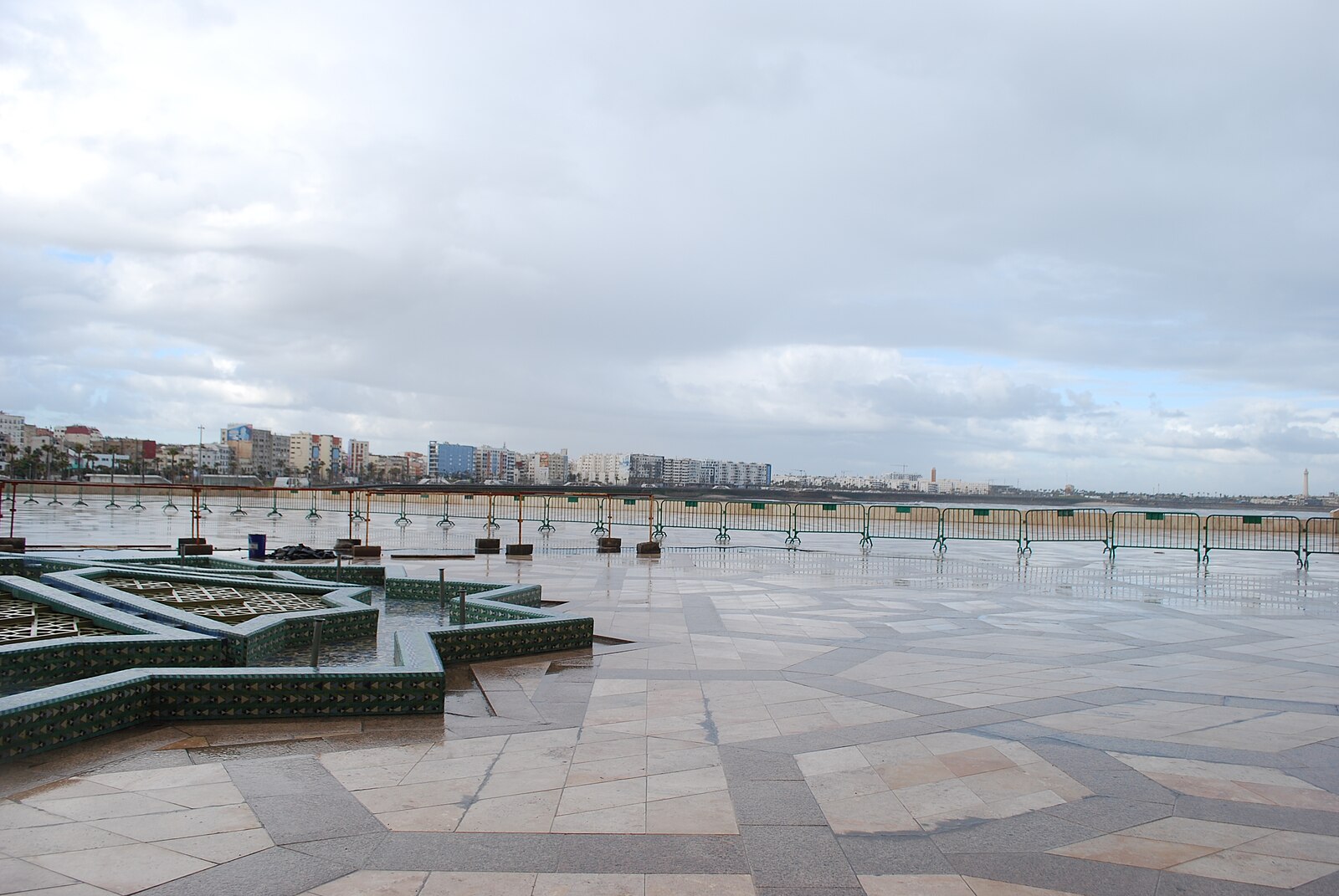
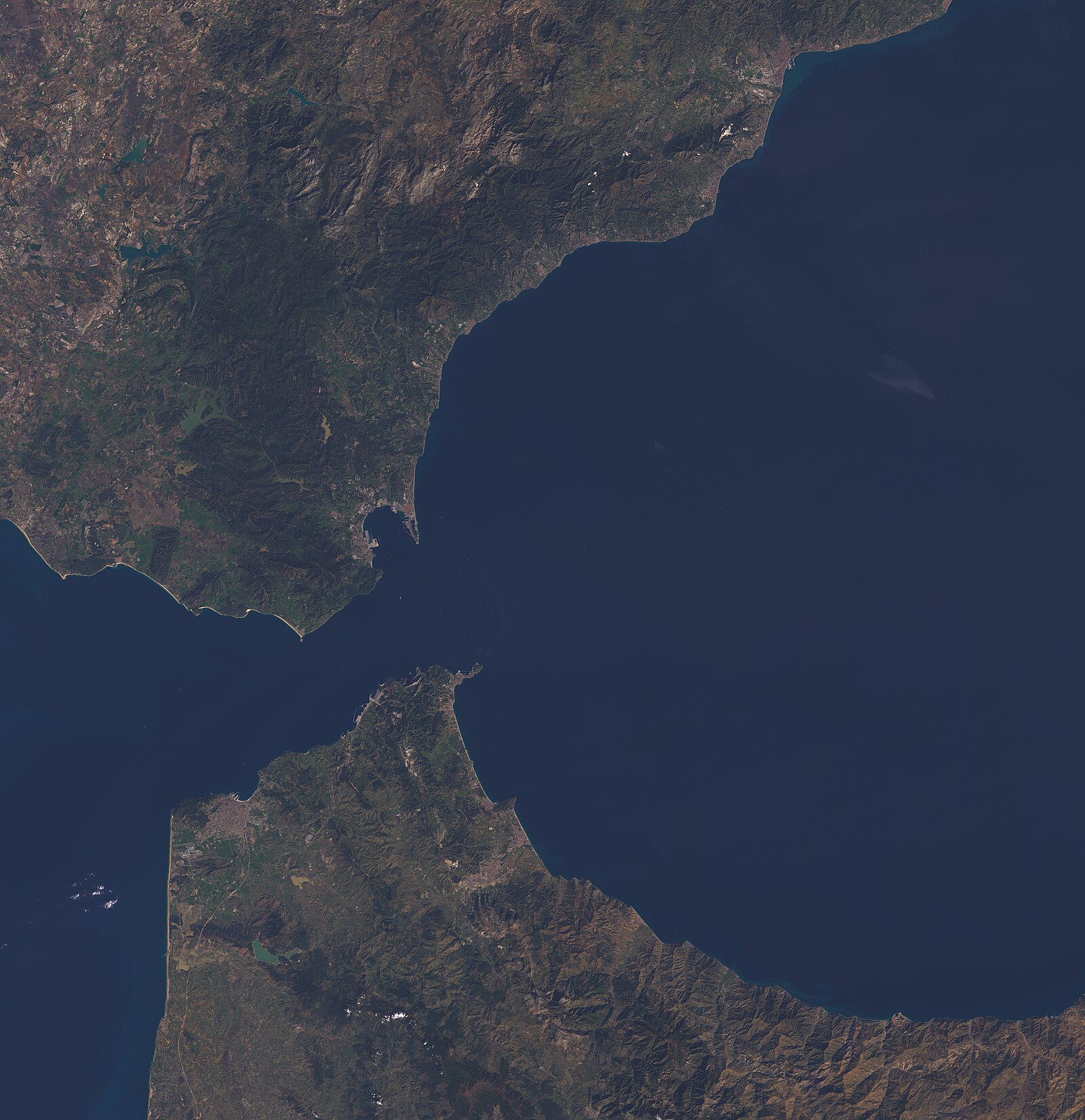
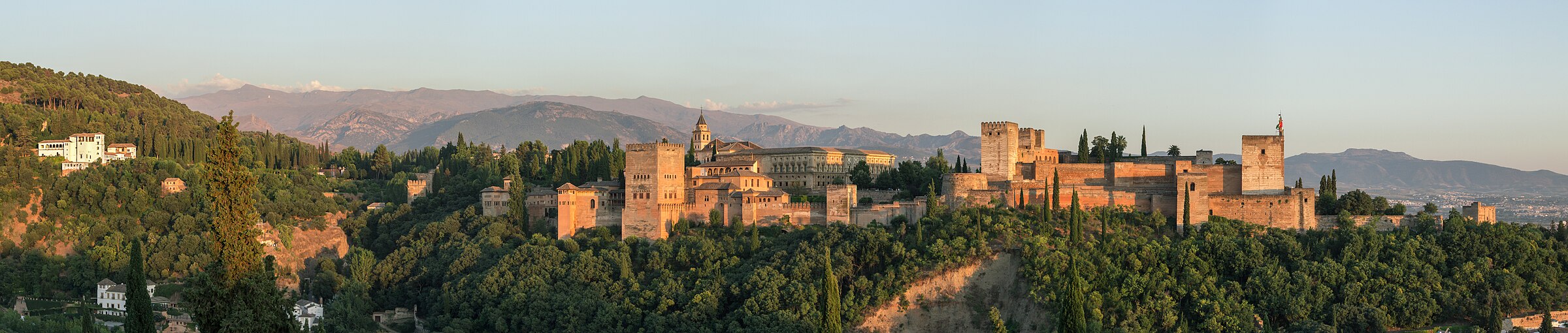
Three layers of Moroccan inheritance on one map. Granada, source of the 1492 refugees who built Andalusi northern Morocco. Tetouan, Chefchaouen, Fez — where they settled and which still carry the inheritance. Mohammedia, where MALI's symbolic Ramadan picnic was intercepted in September 2009. Rotterdam, where the diaspora's hybrid forms are now being made.
Opening — not all customs hold equally
The previous episode walked through one year in a Rif household. Births, fasted days, a sheep at midsummer, a wedding when the diaspora is back, a death in the quieter months. It treated each custom as if it were equally durable. It is not.
Some Moroccan customs are anchored in religious requirement and bend for almost nobody. Some are cultural inheritance, layered in over centuries, and attenuate generation by generation. Some are the live battles being fought in 2026, where what counts as Moroccan is itself the question. And some are new, made by the diaspora, and exist in neither Morocco nor the Netherlands in the form they take in the household between them.
This episode sorts them.
The data state, briefly. Roughly thirty-seven million people. Constitutionally Muslim. Public observance of Ramadan still nearly universal. Five-times-a-day prayer reported by something like half to two thirds of adults in surveys, with significant urban-rural and generational gaps. The average age at first marriage for women has risen from roughly seventeen in the nineteen-sixties to about twenty-five and a half today. Women’s literacy has roughly doubled in the same span. Smartphone penetration is over seventy per cent. The 2004 family code, the Mudawana, raised the legal marriage age for women to eighteen, gave women the right to file for divorce, and put polygamy under judicial supervision.
The Netherlands ran a version of this curve faster. Sunday church attendance collapsed across two generations after the nineteen-sixties. Religious institutions that had once organised schools, unions, and broadcasters were dismantled within thirty years. Morocco is on the same axis but moves more slowly, and the religious anchor is harder. The deeper layers below are also harder.
This episode walks through them, weakest hold to strongest, and ends with what the diaspora does with all of it.
The unbreakable layer
The customs that bend for nobody are the ones that have a Quranic or hadith requirement attached. Even an entirely secular Moroccan family observes them in their full form, because the social cost of skipping them is unbearable and because there is no civil substitute on offer.
The first is burial within twenty-four hours.
A Muslim is buried fast. Within the day, often within twelve hours. The body is washed by relatives of the same gender, wrapped in three white shrouds, carried to the mosque for the funeral prayer, and laid in the grave on the right side facing Mecca. There is no embalming and no coffin. A Dutch family of Moroccan origin in 2026 will repatriate the body to Morocco for burial whenever possible, often by the next available flight. Specialised insurance products exist for this. Most Dutch-Moroccan adults carry one.
The second is the mahr.
Every Moroccan marriage contract names a mahr, the gift from the groom to the bride. The Quran specifies it explicitly. It is hers to keep, regardless of whatever happens to the marriage afterwards. In practice, modernising couples have shrunk the mahr to symbolic amounts, sometimes a single dirham, sometimes a copy of the Quran. The act remains. A wedding without a mahr is not a Moroccan marriage.
The third is idda.
A widow does not remarry for four months and ten days, the period the Quran specifies for her. A divorced woman waits for three menstrual cycles. The forms are observed even in non-religious families, partly because the calendar is well-established and partly because there is no reason to break them. The household around her observes too: the white-mourning dress, the visits, the food.
The fourth is sebou, the seventh-day naming.
This one is hadith-recommended rather than Quranic, but it is universal. Every Moroccan child has a sebou. The naming, the slaughter of a sheep where finances allow, the henna on the baby’s hands and forehead. Urban-secular families will scale the slaughter and the gathering down. They will not skip the day.
These four customs hold across the entire Moroccan religious gradient. The Dutch lack a comparable layer. The closest civil parallel is the kraamzorg system: state-mandated home maternity care for the first eight days after birth, used by nearly every Dutch household regardless of belief. Universal because the state pays for it. The Moroccan unbreakable layer is universal for a different reason. The text and the community both hold.
The Andalusi inheritance
Step back from the unbreakable layer and the next thing to come into view is older than the modern Moroccan state and older than the present-day diaspora. It is what 1492 left behind.
When the Reconquista expelled the Muslims and Jews of Granada, hundreds of thousands of refugees crossed the Strait of Gibraltar and settled in northern Morocco. Tetouan was rebuilt by them. Chefchaouen too. The medina of Fez has an Andalusi quarter to this day. They brought the things refugees bring when they expect not to return: the architecture, the music, the food, the bridal ceremony, and the public bathhouse.
The hammam itself is older than the Andalusi. Its lineage runs from Roman thermae through Byzantine bathing culture into the Islamic world. The architectural form Moroccans inherited, the sequence of cold, warm, and hot rooms, came across the strait with the Granadan refugees and was naturalised in northern Moroccan cities. For four centuries the hammam was the standard household bathing infrastructure, which is to say there was no other.
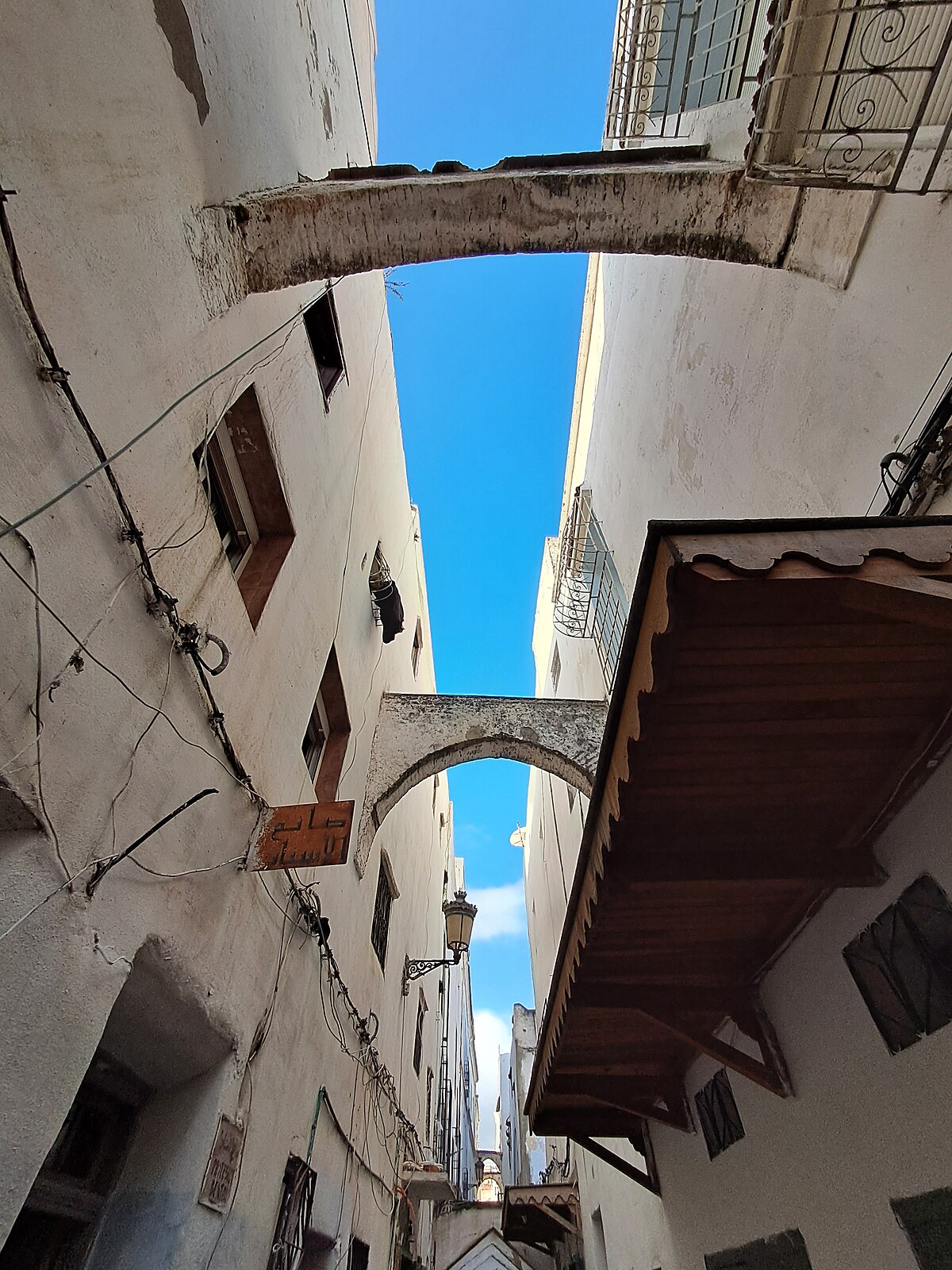
That changed in the second half of the twentieth century. Private bathrooms reached urban Moroccan flats from roughly the nineteen-seventies onwards and rural villages decades later. The men’s hammam was the first to lose. By 2026, in middle-class Casablanca, men’s hammam attendance has fallen sharply. The women’s hammam has held more strongly, because the social function it serves, weekly female intimacy, has no real substitute. In the diaspora, women’s hammams have opened in Rotterdam, Antwerp, Brussels, and Paris. Some are modern wellness boutiques. Some are scrupulously traditional. Both are full on Saturdays.
The chedda is a more specific inheritance.
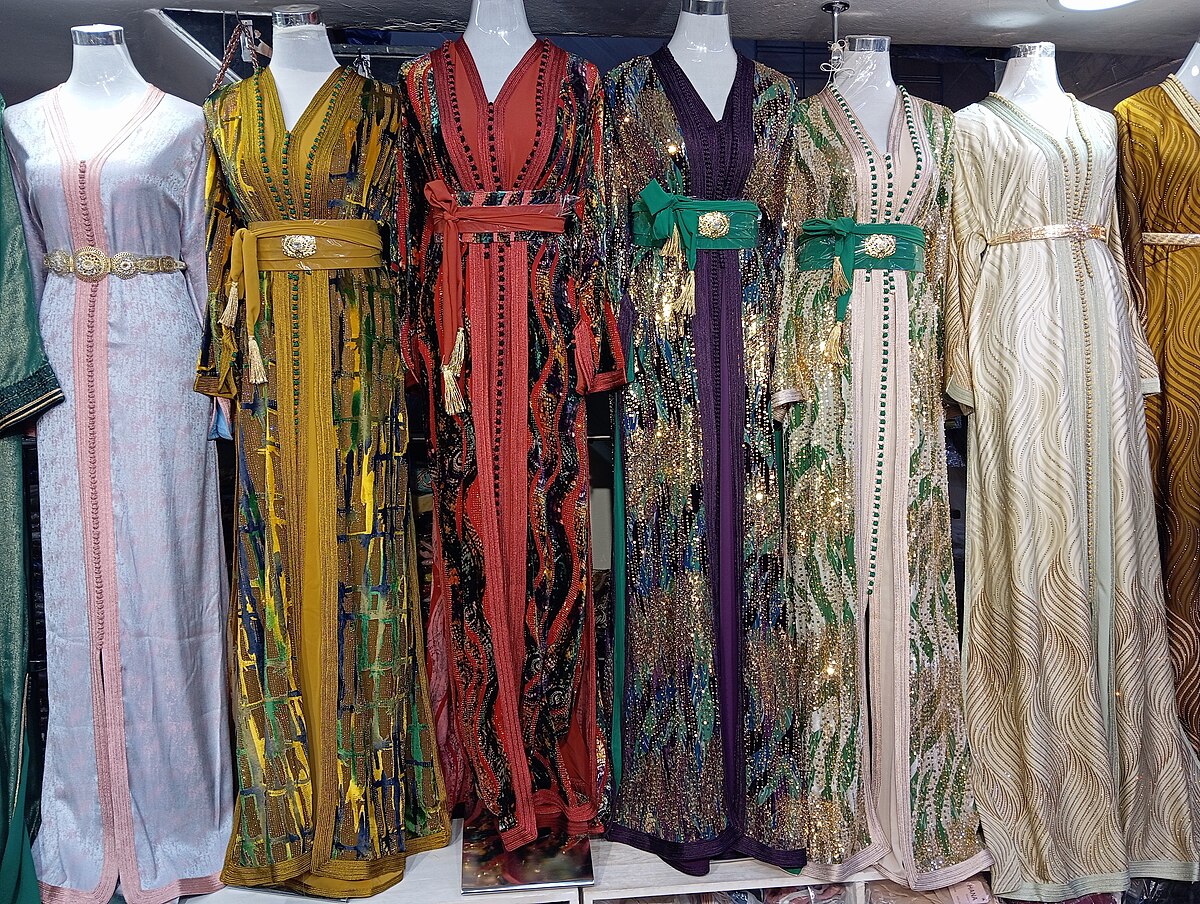
The chedda, the elaborate jewelled bridal headdress and gown that Rif and northern Moroccan brides wear for one of their costume changes on the wedding day, is a survival of Andalusi noble dress. The chedda of Tlemcen across the Algerian border is the most famous version, listed on UNESCO’s Intangible Cultural Heritage list since 2012. The Moroccan northern variants share the lineage. A bride in 2026 does not own her chedda. She rents it from her neggafa, who maintains a wardrobe of them and brings the right one for the right family. What was once daily noble dress is now a single forty-minute appearance in a wedding hall.
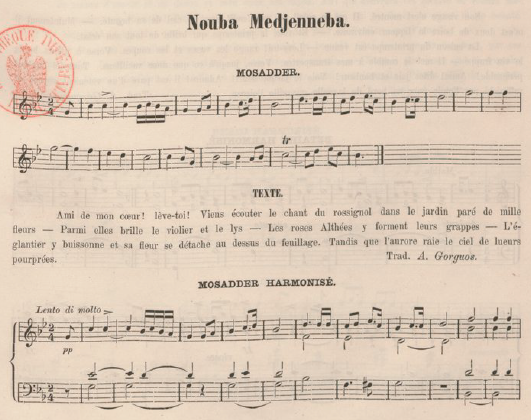
Andalusi music, the Tarab Al-Andalusi, is the third inheritance and the most attenuated. It is preserved by a small specialist scene in Fez, Tetouan, and Tangier. Most Moroccans cannot follow the nuba form. A 2026 Rif village wedding is more likely to feature a cheikha singing in Tarifit and Darija than an Andalusi orchestra. The classical-music side of the inheritance has shrunk to conservatories and festivals.
This whole layer is what the Indonesian-Dutch experience is to the Netherlands. Spekkoek, kroepoek, satésaus, the toko on the corner: things that are neither pure Indonesian nor pure Dutch, that the colonial encounter created, and that have outlasted the encounter. Northern Morocco’s Andalusi inheritance is the same shape, only six hundred years older, and currently being thinned by urbanisation and revived in pockets by a diaspora that finds it newly precious.
The Berber substrate
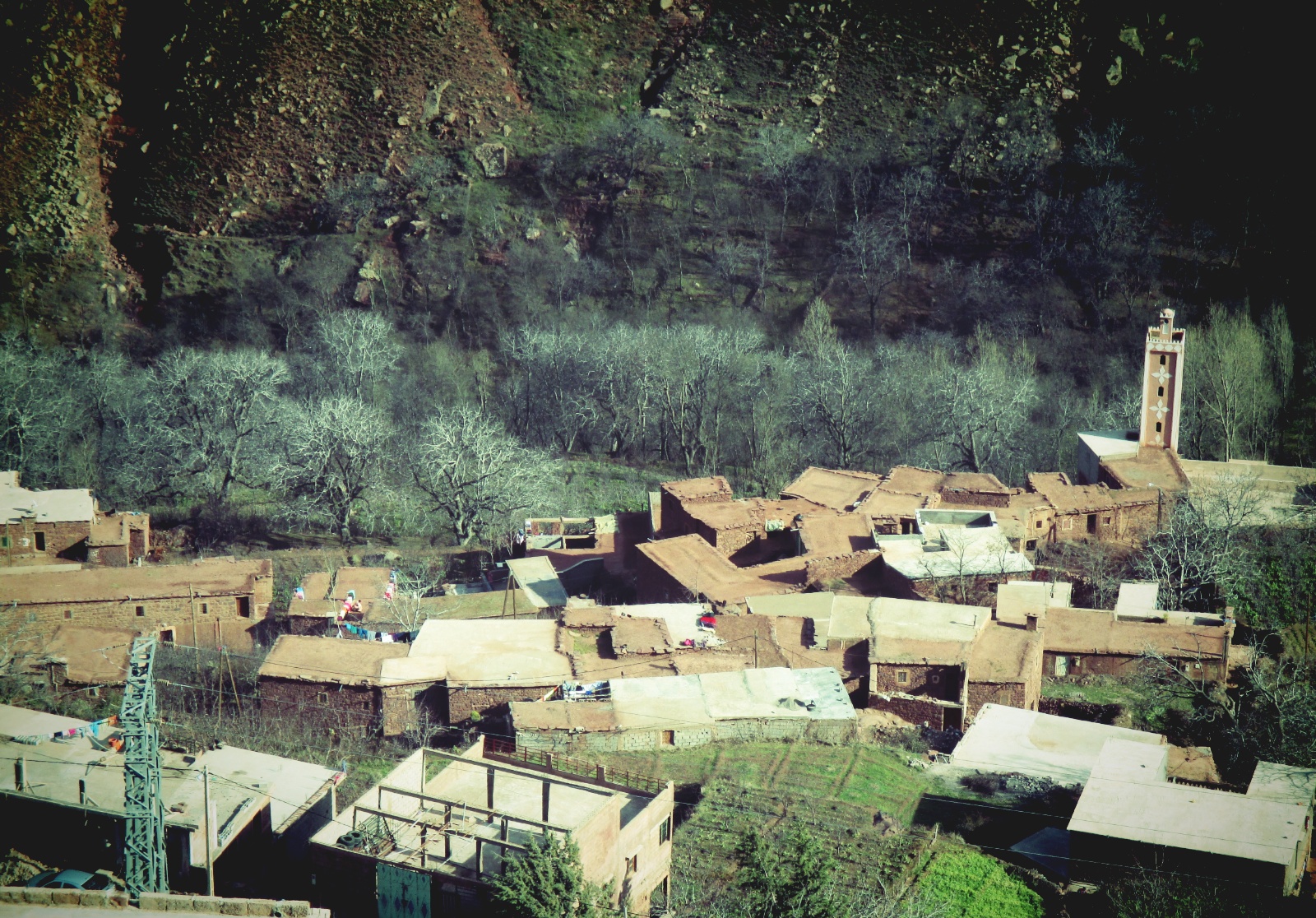
Underneath the Andalusi layer is the layer that was already there. The Imazighen, the Berbers, were the people of North Africa before the Arab conquests of the seventh and eighth centuries and the Andalusi refugees of the fifteenth. About forty per cent of Moroccans still speak some form of Amazigh as their first language. In the Rif specifically, Tarifit speakers are the majority. The pre-Islamic substrate shows up in a household’s everyday rhythm in places that are easy to miss.
The Friday couscous itself is one example. Couscous is documented in the Maghreb at least as far back as the thirteenth century and probably much earlier. It is a Berber food, hand-rolled from semolina with techniques that have not changed substantially in seven hundred years. Friday is the religious anchor. Couscous is what gets cooked on it. The combination is two cultures fused.
The mounia is another.
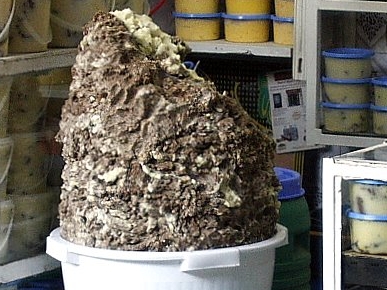
A traditional Rif household before refrigeration filled a winter pantry through the autumn. Mounia is the word for that pantry and for the practice of stocking it. Smen, the salted preserved butter that ages for years and gives certain tagines their flavour. Khlea, sun-dried and spiced beef. Pickled lemons. Dried herbs and grains. The mounia was the household’s insurance against winter shortages and was maintained, in detail, by the matriarch of the house.
By 2026, the mounia is collapsing. Refrigeration reaches villages. Supermarkets sell preserved lemons in jars. Younger Moroccan women in cities know what the words mean and do not stock the pantry themselves. In the Rif specifically, where the diaspora villas stand half-empty for ten months a year, the matriarchal art of stocking a mounia is one of the things visibly lost in a generation. Smen is now bought rather than made. Khlea is mostly made by older women in rural households for their own kitchens, and very rarely by anyone under forty-five.
Hospitality codes are the third pre-Islamic layer.
The Quran codified hospitality as a religious duty, with the story of Ibrahim feeding the angels who came to his tent unannounced. That codification was layered onto a pre-existing pastoral and Berber tradition. Anaya, the Berber concept of asylum, predates the Islamic codification. The duty of guest, even unfamiliar guest, runs deeper than any single faith. The endurance of Moroccan hospitality in 2026 is partly that the religious anchor is reinforced by a substrate older than the religion.
The Frisian parallel is partial. Friesland’s pre-national substrate has held in language, food, and self-understanding under a thousand years of pressure to assimilate. Couscous is the Moroccan suikerbrôd. The matriarch’s mounia is the Frisian grandmother’s larder. Both are quiet things. Both are leaving.
The contested live ones
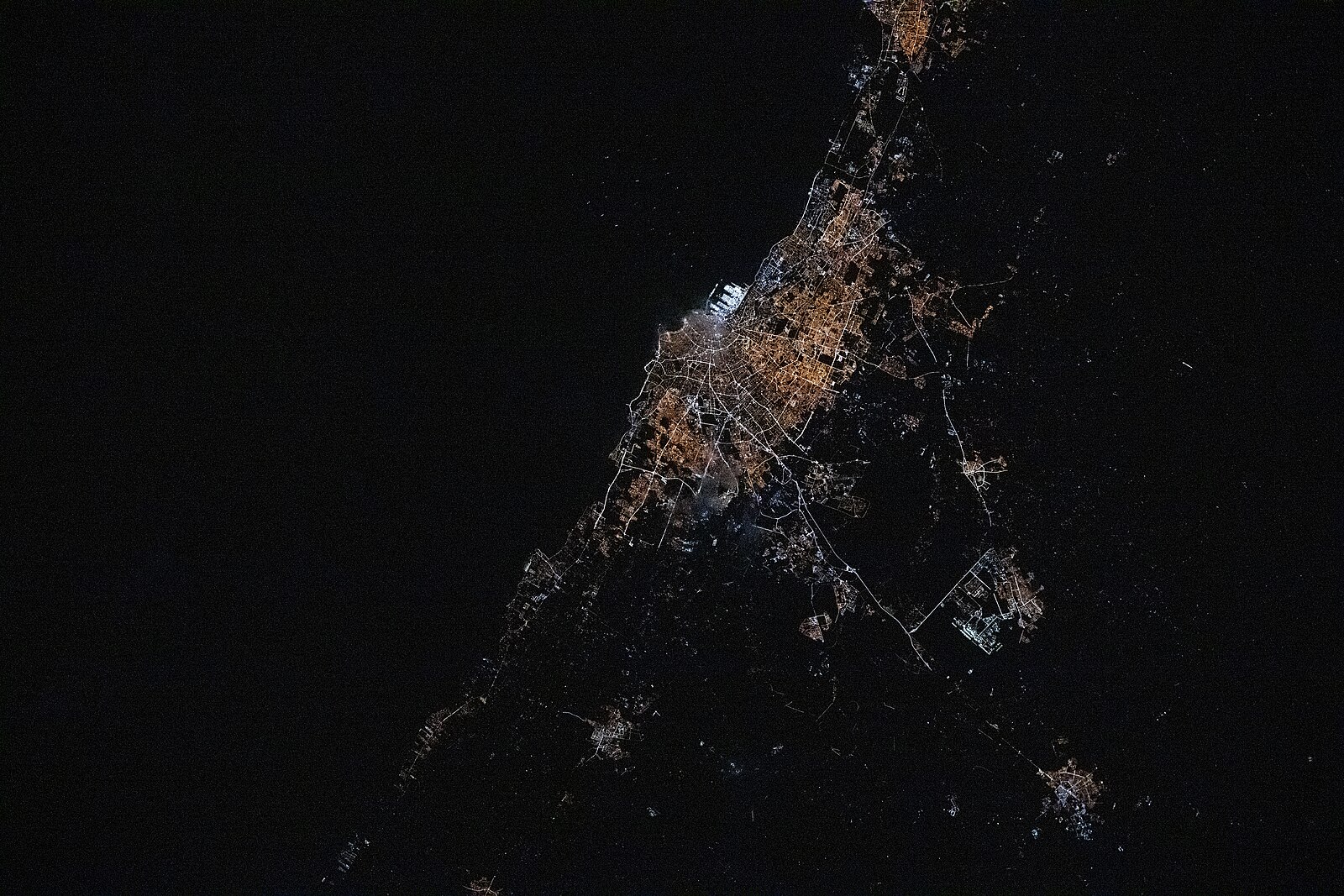
The next layer is the loudest. These are the customs being argued about right now, in courts, on television, on social media, and in households between mothers and daughters.
The first is the public observance of Ramadan.
Public fasting is still near-universal across Morocco. Public fast-breaking is a criminal offence under article 222 of the Moroccan penal code, in force since the French protectorate, when the law was originally introduced to stop European settlers from eating in front of fasting Moroccans. A century later it is enforced against Moroccans themselves. The penalty is one to six months in prison and a fine of two hundred dirhams.
In September 2009, a Moroccan secular activist named Ibtissame Lachgar and her co-founder Zineb El Rhazoui founded a movement called MALI, the Mouvement alternatif pour les libertés individuelles. The day after they founded it, they announced a daytime picnic during Ramadan in a wood near Mohammedia, between Rabat and Casablanca, as a symbolic protest against article 222. Police intercepted the participants at the train station. Several were arrested in their home cities in the days that followed. The picnic itself never took place.
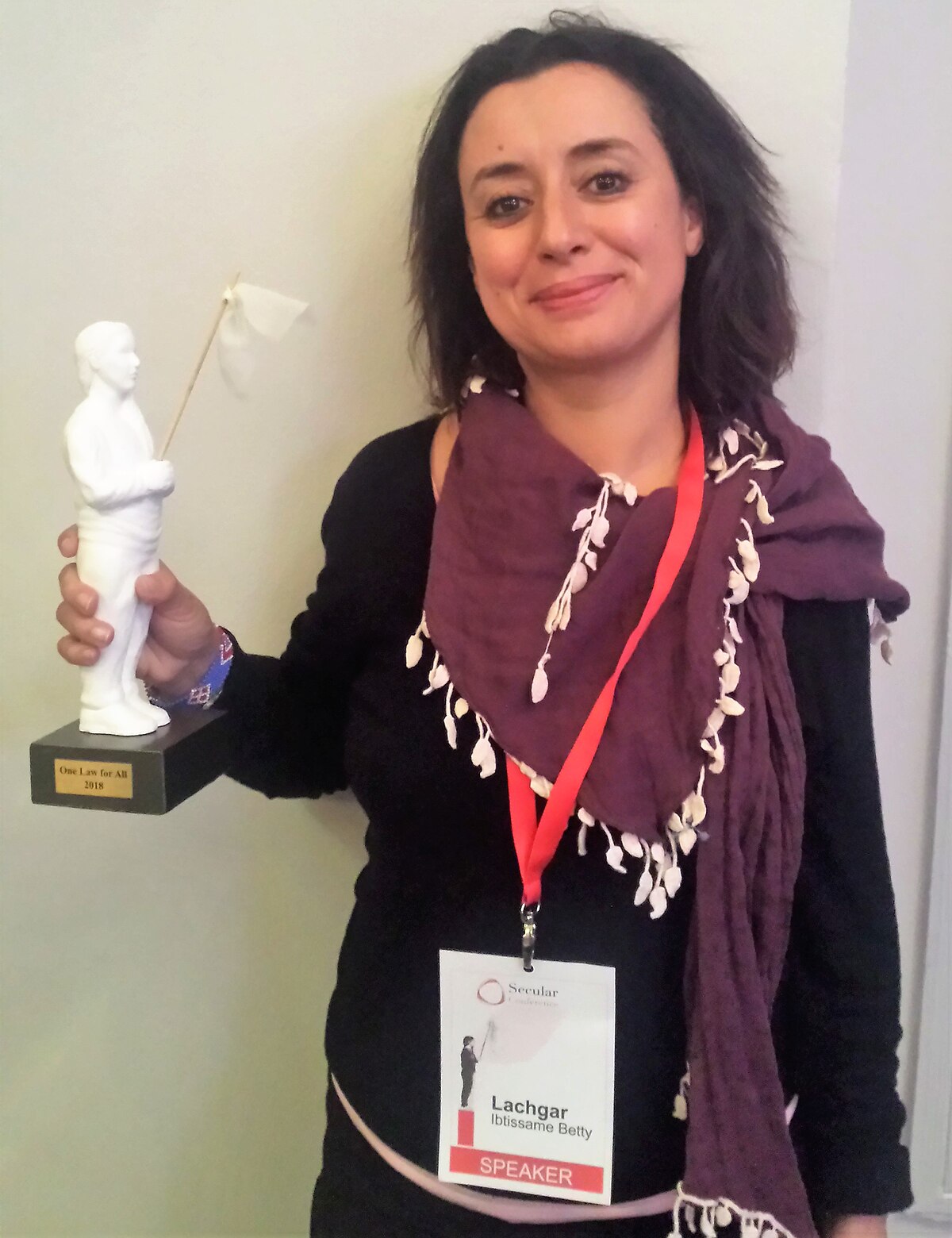
The argument has not closed. Lachgar herself was sentenced in 2025 to thirty months in prison on a separate charge of offending Islam through a social-media post. Inside Morocco, a small but visible private fast-breaking culture exists in big-city back-rooms and discreet cafés, particularly in Casablanca. In Rif villages, fasting is universal, full stop.
The second is hshouma in the social-media era.
The traditional hshouma is village-scale. The audience is your neighbours and your family’s reputation among them. Photographs reaching that audience used to require a guest sitting in your living room. They no longer do. A photograph posted in Amsterdam at midnight is visible to a grandmother in the Rif at 1 a.m. The practical effect on younger Moroccan and Moroccan-diaspora women has been twofold. Hshouma is more pervasive than ever, because the audience is now permanent and global. And it is more openly contested than ever, because the same platforms host the contestation.
The 2018 hashtag masaktach, Arabic for “I won’t shut up”, broke an old hshouma silence around sexual harassment of Moroccan women in public. It was led by women in their twenties and thirties, in Casablanca and in Paris and in Rotterdam, and it had no real precedent in 1990s Moroccan life. The movement did not end hshouma. It made the negotiation public.
The third is mother-in-law authority.
The traditional Moroccan marriage placed a new wife inside her husband’s mother’s household, where the mother-in-law’s authority was substantial and largely uncontested. The 2004 Mudawana reform gave women the right to demand a separate dwelling as a marriage condition. Urban Moroccan brides increasingly do. The result is a generational tension: a mother-in-law who expected to host her son’s wife and grandchildren under her roof, and a daughter-in-law who has the legal right to a flat of her own. Both can be reasonable. They are difficult to reconcile in practice.
The Dutch parallel is the verzuiling unwinding from the nineteen-sixties. The Netherlands took roughly thirty years to dismantle a religious-organisational order that had structured schools, unions, broadcasters, even bicycle clubs. Morocco’s parallel argument is in mid-flow now, on a faster clock and on more visible media, and the outcome is not yet known.
The diaspora layer
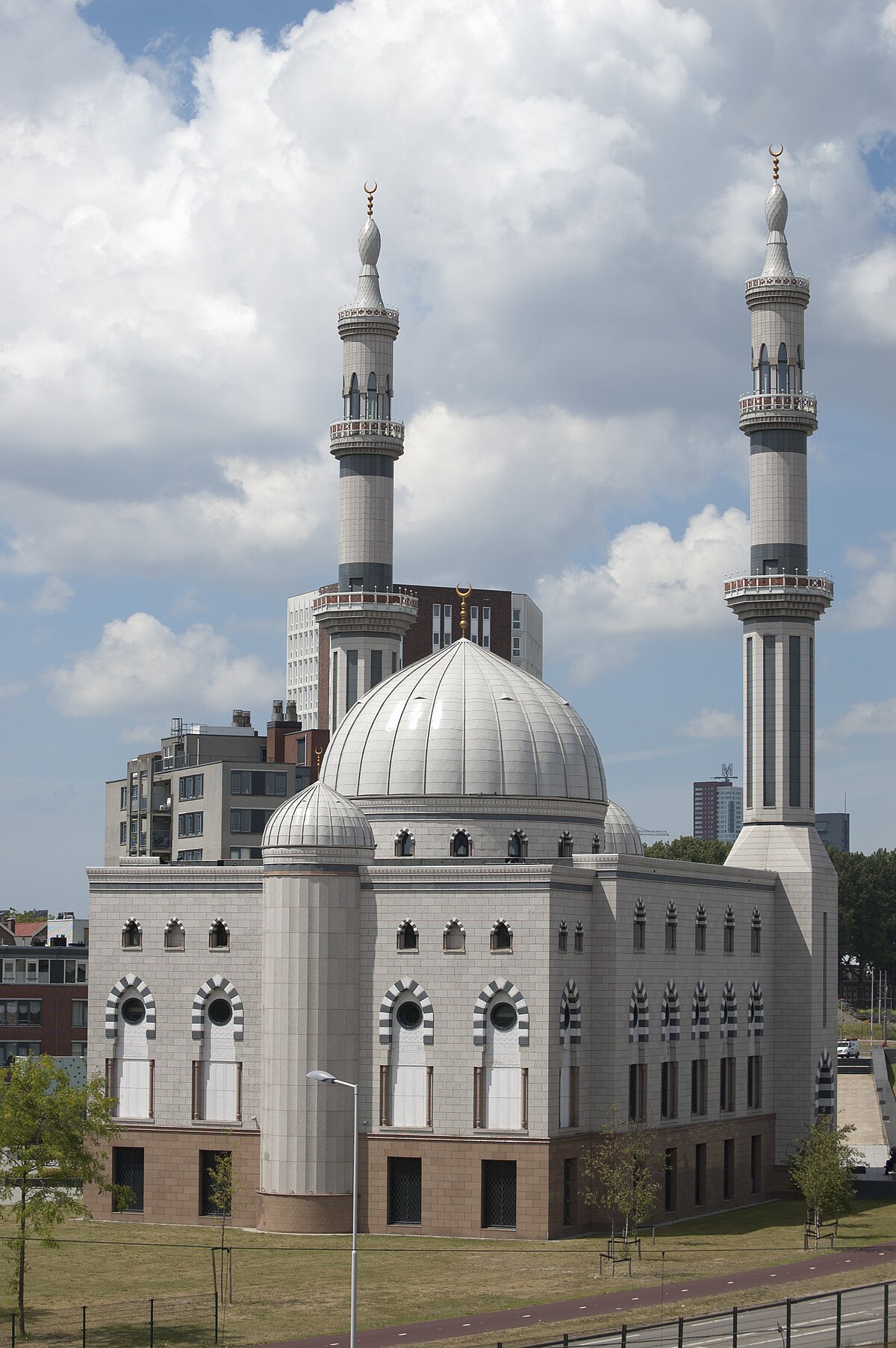
The last layer is the one most directly relevant to a Dutch listener. It is what happens when the household crosses the strait and stays north.
Roughly four hundred thousand Dutch citizens trace back to Morocco, the great majority of them to the Rif specifically. Three generations now. The first generation kept Tarifit at home, married within the community, sent remittances south, and built three-storey houses they expected to retire to. The second generation grew up in Dutch schools, held the language unevenly, and navigated two systems daily. The third generation is increasingly Dutch first, with a Moroccan inheritance that is meaningful but partial.
What the diaspora makes is hybrid by structure.
The hybrid wedding is the most visible artefact. A Dutch-Moroccan couple marries first at a Dutch gemeentehuis, which has the legal force. They then hold a henna night with full Moroccan tradition, often at a community hall in Rotterdam or Utrecht or a rented venue near the Hague. They then hold a wedding-day reception with two or three of the seven costume changes instead of all seven, an amaria sometimes still carried but increasingly photographed-then-set-aside, and a guest list mixed between extended Moroccan family and Dutch friends. The neggafa is often flown in from Tetouan or Casablanca for the weekend. The arrangement is neither Dutch nor Moroccan. It is Dutch-Moroccan, a category that did not exist in 1969 when the bilateral recruitment treaty was signed.
The kraamzorg meets the sebou.
A new Dutch-Moroccan mother in 2026 receives the standard Dutch state-funded post-birth home care, the kraamzorg, for the first eight days. On day seven, the sebou happens. The Moroccan mother of the new mother often flies in for the forty-day postpartum period and stays in the apartment, doing the cooking and the holding. The two systems run on the same household for two months. Neither displaces the other.
Death is the place the two systems do not blend. The body is repatriated. The funeral happens in a Rif village. A few family members travel south by next-available flight; most participate by phone. The widow, if she is in the Netherlands, observes some of the idda but rarely all of it, simply because the religious community around her is smaller and the social pressure to maintain it less constant. Repatriation insurance is sold by Moroccan-origin community associations and by Dutch insurers. Almost every Dutch-Moroccan adult is enrolled in one.
There is also a literature that has appeared in the last thirty years that did not exist before. Abdelkader Benali, born in a Rif village called Ighazzazen and raised in Rotterdam, has been one of the most read Dutch novelists of his generation. Hafid Bouazza, Rachida Lamrabet, Asis Aynan write out of the same diaspora experience. Ahmed Aboutaleb, the long-serving mayor of Rotterdam, was born in a Rif village. The writing and the politics did not exist as a Moroccan category and did not exist as a Dutch one. They are diaspora-shaped.
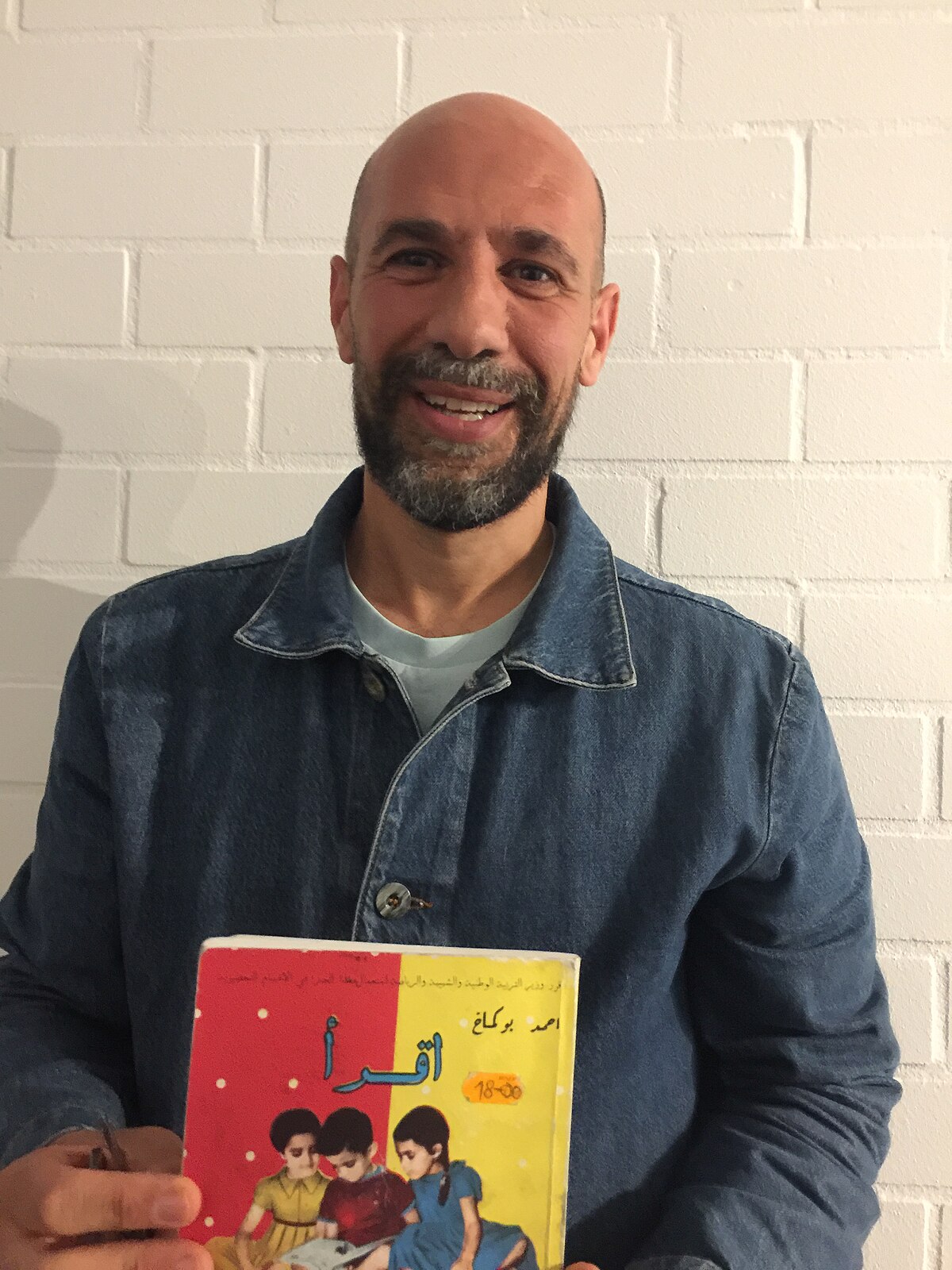
There is one finding worth flagging, because it is counter-intuitive. Religious observance among second-generation Dutch-Moroccans is often slightly higher than among their cousins in Morocco. The pattern shows up in other immigrant religious groups too. Sociologists call it compensatory identity. When the inherited culture is no longer the default, people who choose to keep it tend to keep it more deliberately. In 2026 some of the most carefully observed Ramadans in the Dutch-Moroccan world happen in Rotterdam apartments, not Rif villages.

Close — what to expect
The unbreakable layer, the religious requirements, will not bend in the next twenty years. A Dutch-Moroccan partner whose family is religious will continue to need same-day burial, a mahr, an idda, and a sebou. None of those is a generational pressure point. They are facts of the calendar.
The Andalusi inheritance will continue to attenuate slowly and revive in specific places. Rotterdam will keep its hammams. Wedding chedda will keep being rented from the neggafa. Andalusi music will keep being preserved by a small dedicated scene that any one Rif household will encounter once a year at most.
The Berber substrate will keep losing the things refrigeration replaces and keeping the things that anchor identity. Couscous on Fridays will hold longer than the mounia. Hospitality will hold longest of all, because it has the deepest substrate and the religious reinforcement.
The contested live ones are the ones to watch. The Moroccan argument over public fast-breaking is not over. The argument over hshouma and the social-media audience is not over. The argument over a daughter-in-law’s right to her own flat is not over. The next decade will move all three further from where they are today, in directions a Dutch listener will recognise from the Dutch nineteen-sixties and seventies, only on a faster clock.
The diaspora layer will keep producing the things only diasporas produce. Hybrid weddings. Kraamzorg-sebou compromises. A literature in Dutch about a Rif village. A mayor of Rotterdam born in one.
For a Dutch partner of someone from this household, the practical question changes by layer. With the unbreakable layer, the work is to know the form and arrive on time. With the inheritance layers, the work is to ask what her family still does and what they have stopped doing. With the contested ones, the work is to listen for which side of the argument her household is on, because more than one side can be inside the same family. With the diaspora layer, the work is to recognise that what her family does now is not Morocco and not the Netherlands, but something the two of them are still in the process of inventing.
That is the country. That is the rhythm. That is the household. This is where the Foundation arc closes.